
Many adults choose a new Chinese name later in life.
A good Chinese name for adults is professional and respectful.
It fits business, work, and daily life.
This article shares 8 practical Chinese names for adults.
Each name is mature, elegant, and suitable for professional settings.
You will also learn how to choose the right name for your career.
What Are Chinese Names for Adults?
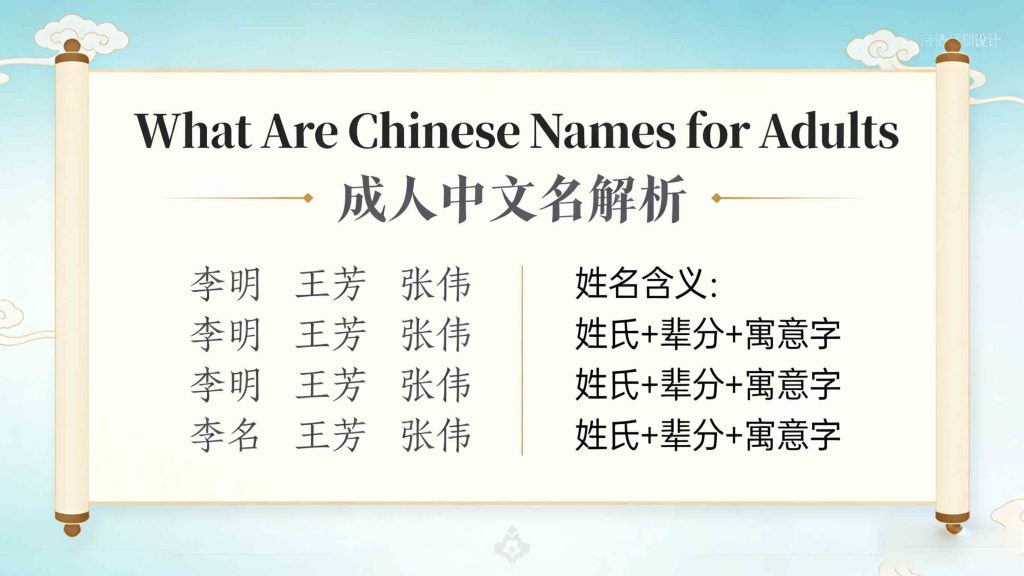
Chinese names for adults are different from baby names.
They focus on maturity, stability, and wisdom.
Baby names often use cute or gentle characters.
Adult names use characters that show responsibility and grace.
These names work well in business and international environments.
They are easy to pronounce and remember.
They also carry positive and serious meanings.
Many professionals use Chinese names for adults for work.
Expats, entrepreneurs, and businesspeople often choose them.
A proper adult name builds trust and respect.
Why Choose a Chinese Name for Adults?
There are many good reasons to pick a Chinese name for adults.
First, it helps you connect with Chinese partners.
A meaningful name shows respect for the culture.
Second, it sounds professional in business.
It is easier for colleagues to call you.
Third, it reflects your personality and status.
Adult names show confidence and maturity.
Fourth, it works well on business cards and profiles.
A good name leaves a strong first impression.
8 Professional Chinese Names for Adults
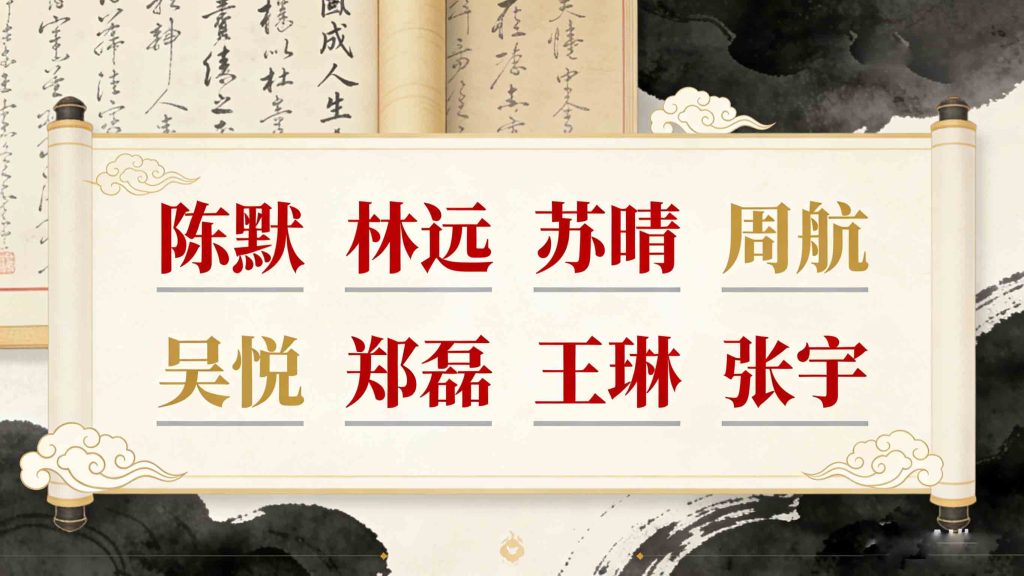
Here are 8 excellent Chinese names for adults for business and daily life.
1. 明哲 (Míng Zhé)
Pinyin: Ming Zhe
Meaning: Wise and intelligent
This name is perfect for leaders and managers.
It shows wisdom and good judgment.
It is widely used in professional environments.
2. 博文 (Bó Wén)
Pinyin: Bo Wen
Meaning: Knowledgeable and well-read
This name suits scholars, consultants, and educators.
It represents learning and depth.
It sounds calm and trustworthy.
3. 俊彦 (Jùn Yàn)
Pinyin: Jun Yan
Meaning: Outstanding talent
This name is great for entrepreneurs and professionals.
It shows ability and excellence.
It is modern and business-friendly.
4. 静远 (Jìng Yuǎn)
Pinyin: Jing Yuan
Meaning: Calm and far-sighted
This name fits strategists and decision-makers.
It means thinking deeply and acting steadily.
It gives a sense of reliability.
5. 弘毅 (Hóng Yì)
Pinyin: Hong Yi
Meaning: Broad-minded and determined
This name is strong and professional.
It suits people in leadership and management.
It shows ambition and integrity.
6. 书恒 (Shū Héng)
Pinyin: Shu Heng
Meaning: Persistent and educated
This name is elegant and mature.
It works well in formal and international settings.
It represents discipline and consistency.
7. 德润 (Dé Rùn)
Pinyin: De Run
Meaning: Virtuous and kind
This name builds trust in business.
It shows morality and sincerity.
It is respected across Chinese culture.
8. 承宇 (Chéng Yǔ)
Pinyin: Cheng Yu
Meaning: Responsible and broad-minded
This name is modern and steady.
It suits professionals in global companies.
It sounds stable and confident.
How to Choose Chinese Names for Adults
Choosing Chinese names for adults requires careful thought.
First, avoid overly cute characters.
They are more suitable for children.
Second, choose characters with positive meanings.
Words like wisdom, honesty, and talent work best.
Third, check the pronunciation.
It should be easy for foreigners to say.
Fourth, match the name to your career.
Managers can use names that show leadership.
Creatives can use elegant and artistic names.
Fifth, avoid negative or similar-sounding words.
Some characters may have hidden bad meanings.
Chinese Names for Adults in Business
In business, Chinese names for adults must be formal.
They should not be too casual.
They should not be too rare or hard to read.
A good business name helps networking.
Partners and clients will remember you easily.
Many international professionals use short, clear names.
Two-character names are the most common.
They are balanced and professional.
You can use your adult name on LinkedIn and business cards.
It helps build a strong personal brand.
Where to Use Your Chinese Adult Name
You can use Chinese names for adults in many places.
- Business meetings
- Professional introductions
- LinkedIn and social media
- Company profiles
- Email signatures
- Contracts and formal documents
A consistent name helps build your reputation.
It makes communication smoother.
Tips for Making Your Name Feel Natural
Once you choose a Chinese name for adults, use it often.
Practice saying it yourself.
Ask friends to call you by this name.
Learn its meaning and story.
You can explain it to others easily.
A name feels real when you use it daily.
It becomes part of your identity.
Frequently Asked Questions
Q1: Can adults choose any Chinese name?
A1: Yes, but choose mature and professional styles.
Avoid childish or overly poetic names.
Q2: Are two-character names best for adults?
A2: Yes.
Most professional Chinese names for adults have two characters.
They are balanced and easy to use.
Q3: Can foreigners use Chinese names for adults?
A3: Absolutely.
Many foreigners use them for business and life in China.
It shows respect and integration.
Q4: Should my adult name match my personality?
A4: Yes.
If you are calm, choose a gentle name.
If you are ambitious, choose a strong name.
Q5: Do I need a special reason to pick an adult name?
A5: No.
Many people choose one for work or personal preference.
It is a common and respected choice.
Final Thoughts
Chinese names for adults are more than just words.
They represent your image, career, and character.
The 8 names in this article are professional and practical.
They work well in business and daily life.
When you choose a name, think about your goals.
Pick one that is steady, elegant, and meaningful.
A good Chinese name can support your career.
It helps you connect with others and build trust.
If you want more choices, use our AI name tool.
It provides professional Chinese names for adults with clear meanings.
If you also need elegant naming options for girls, you may like our related guide: Chinese Names for Girls: 15 Beautiful Options with Meanings
For more cultural background about Chinese given names, you can refer to the authoritative introduction on Wikipedia.
发表回复