Every Chinese name is more than a label. It carries culture, family wishes and unique meaning. Have you wondered about the story behind a Chinese name? You’re not alone. Chinese Name Mean sparks curiosity worldwide. These names come from thousands of years of history, philosophy and tradition. Western names often focus on sound or family lineage.
Quick Answer
To explain what a Chinese name means, identify the exact written characters first, then check pronunciation, character meanings, surname-given-name order, and the context intended by the family.
Basic Facts
| Required input | Exact Chinese characters |
|---|---|
| Checks | Pinyin, tones, character senses, and name order |
| Context | Family intent and regional pronunciation may matter |
| Common mistake | Interpreting a name from romanization alone |
Evidence Note
Source: Library of Congress Chinese romanization table. Use the source for context and verify page-specific claims against the cited wording.
Related reading: Chinese name meaning | Chinese surnames
Quick reference: direct answer + four checked facts + evidence source + two internal references + stated limitation.
Chinese names combine characters with clear meanings. This message stays with a person for life. Do you have a Chinese name? Do you know someone who does? Or are you fascinated by Chinese culture? Understanding your Chinese name’s meaning helps you connect with this rich heritage.
The Basics: How Chinese Names Are Structured
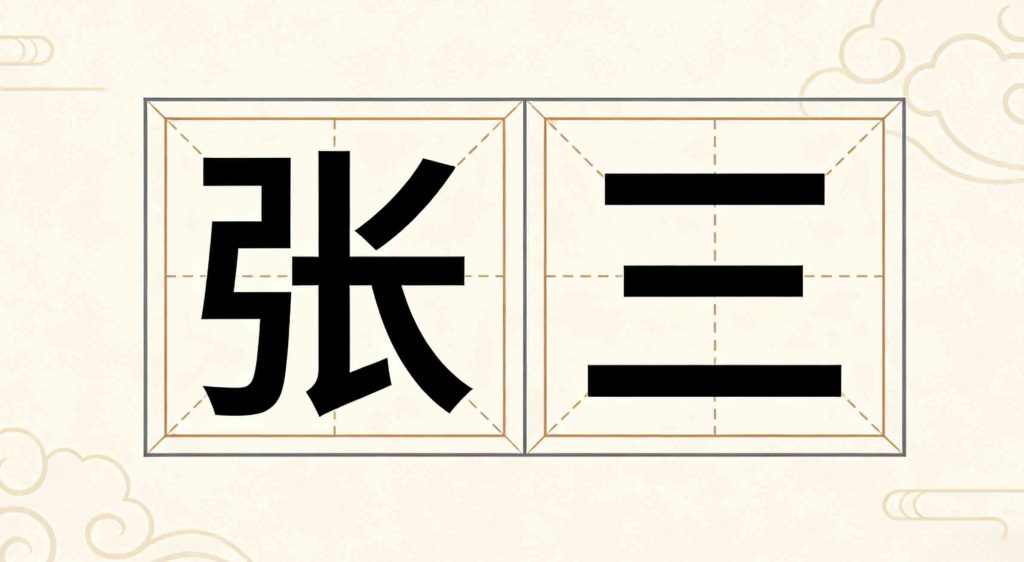
First, learn how Chinese names are formed. This helps you understand their meaning. Chinese names have two parts: surname (xìng) and given name (míng). The surname comes first. This is different from Western names.
Most surnames are one character. Some rare ones are two. The given name follows. It is often one or two characters. Two-character given names are more common today.
Each character in a Chinese name has its own meaning. When combined, they make a clear message. For example, a given name might mix “wisdom” and “kindness”. This shows the family’s hope.
They want their child to be compassionate and intelligent. This structure makes Chinese Name Mean special. Every character is chosen on purpose. It’s not just for sound.
Key Elements That Shape Chinese Name Mean
Chinese names get meaning from many sources. All are tied to Chinese culture and values. These elements make each name unique and meaningful. Here are the most common factors:
1. Cultural and Philosophical Values
Many Chinese names come from traditional philosophy. Examples are Confucianism, Taoism and Buddhism. Characters about virtue, harmony and wisdom are popular.
For example, “仁” (rén) means “benevolence” or “kindness”. It is a core Confucian value. “道” (dào) means the “Tao” or “way” in Taoism. These characters teach important values. The name reminds the child of the family’s hopes. This link to philosophy makes Chinese Name Mean more than just a label.
2. Family Wishes and Aspirations
Naming a child is meaningful for Chinese families. It reflects their hopes for the child’s future. Parents choose characters for success, health, happiness or prosperity.
For instance, “辉” (huī) means “glory” or “radiance”. “安” (ān) means “peace” or “safety”. The name “辉安” (Huī’ān) means a peaceful life with glory. This focus on aspirations is a heartfelt part of Chinese Name Mean.
3. Nature and Symbols
Nature is important in Chinese naming. Characters represent mountains, rivers, flowers and animals. These symbols have positive meanings.
For example, “松” (sōng) is a pine tree. It stands for resilience and longevity. “梅” (méi) is a plum blossom. It means perseverance and purity. Celestial elements like “月” (yuè, moon) or “星” (xīng, star) are also used. They add a poetic touch.
These natural symbols make Chinese Name Mean beautiful and connected to the world.
4. Gender-Specific Connotations
Chinese names often have gender cues. Modern trends are more flexible. Male names use characters for strength, courage or ambition. Examples are “勇” (yǒng, brave), “强” (qiáng, strong) and “杰” (jié, outstanding). Female names use characters for grace, beauty or gentleness. Examples are “婷” (tíng, graceful), “雅” (yǎ, elegant) and “芳” (fāng, fragrant). These choices shape the name’s meaning. They fit cultural expectations.
Examples: What Common Chinese Names Mean
Let’s look at popular Chinese names. They show how characters make a meaningful message. This makes Chinese Name Mean clearer.
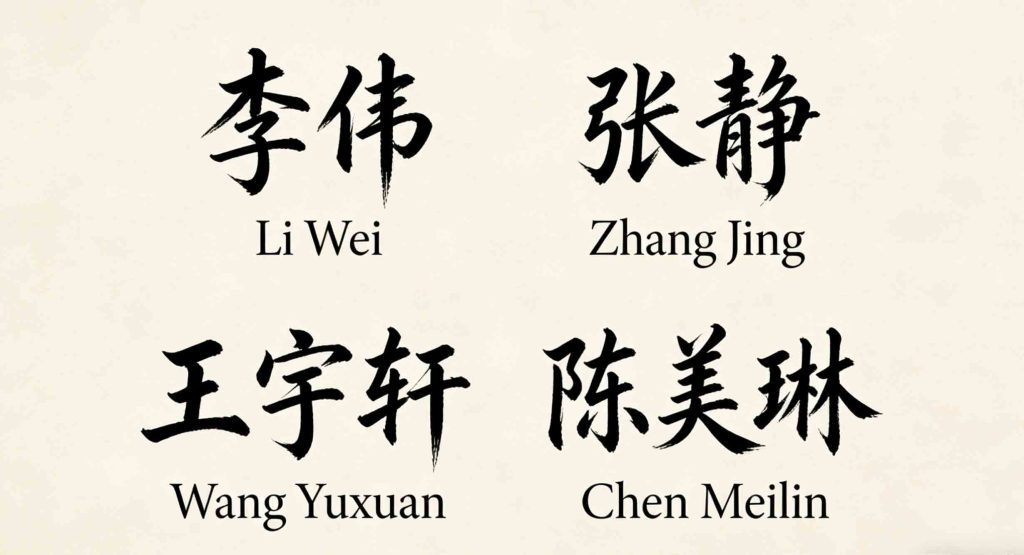
- Li Wei (李伟): “Li” is a common surname. “Wei” means “great” or “powerful”. The name means “a great Li”. It hopes the child achieves great things.
- Zhang Jing (张静): “Zhang” is a common surname. “Jing” means “calm” or “peaceful”. It wishes the child a calm, steady life.
- Wang Yuxuan (王宇轩): “Wang” is a top surname. “Yu” means “universe” or “vastness”. “Xuan” means “lofty” or “noble”. The name means “lofty and vast like the universe”. It symbolizes ambition and a broad view.
- Chen Meilin (陈美琳): “Chen” is a common surname. “Mei” means “beautiful”. “Lin” means “jade”. The name translates to “beautiful jade”. It represents purity, beauty and preciousness.
Why Understanding Chinese Name Mean Matters
Do you learn Chinese? Do you have a Chinese name? Do you interact with Chinese people? Understanding Chinese Name Mean shows respect for the culture. It helps you connect deeper. Knowing a name’s meaning tells you the family’s values and hopes. If you have a Chinese name, it helps you embrace your identity. It may have felt mysterious before.
Chinese names are used in formal and informal settings. Knowing their meaning avoids misunderstandings. For example, a name with a masculine meaning might surprise you. It could belong to someone who presents as female. Modern naming trends break these old rules. This makes each name more personal.
Final Thoughts: Explore Your Chinese Name Mean
Your Chinese name is more than characters. It’s a story, a wish and a link to culture. Are you curious about your name? Do you want to choose a Chinese name? Or do you just want to learn more? Taking time to understandChinese Name Mean is rewarding.
Looking for a meaningful Chinese boy’s name? Check our Chinese Boy Name Generator. It has options that match your values.
For more on Chinese naming traditions and character history, visit the authoritative Encyclopedia of China. It explains the cultural context behind these meaningful names.
发表回复