6. Use Lucky Numbers
Chinese culture considers certain numbers lucky. The number 8 represents prosperity and success.
Count the strokes in your chosen characters. Lucky stroke counts include 8, 11, 13, 15, 16, 18, 21, 23, 24, 25, 31, 32, 33, 35, 37, 38, 39, 41, 45, 47, 48, 52, 57, 61, 63, 65, 67, 68, 73, 75, and 81.
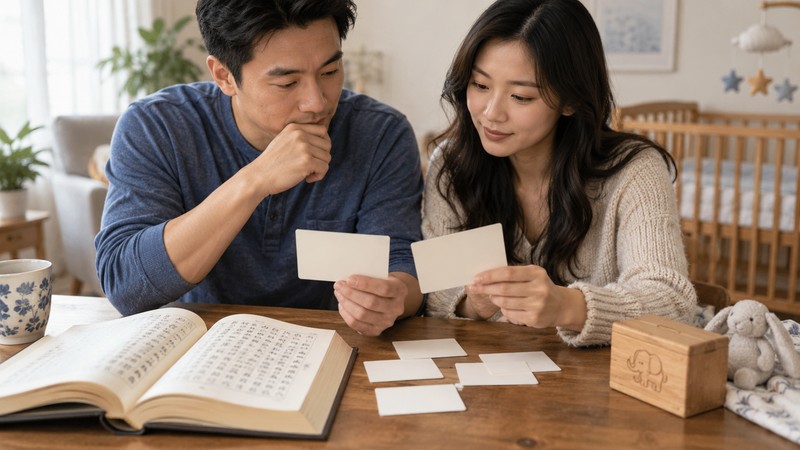
This numerology adds another layer of positive energy to your Chinese name for baby boy.
7. Honor Family Heritage
Your Chinese name for baby boy can honor ancestors or family values. Some families name sons after respected relatives.
Others choose characters that represent family virtues or achievements. This creates a meaningful connection across generations.
Discuss family naming traditions with your parents and grandparents.
8. Consider Modern Trends
While respecting tradition, modern Chinese parents also consider contemporary naming trends. Some prefer simpler characters that work internationally.
Popular modern choices balance traditional meanings with modern appeal. Research current naming trends in your community.
Your Chinese Name Translation: 10+ Ultimate Guide for Beginners (2026) should feel both timeless and current.
9. Test International Usability
If your family lives internationally, consider how the Chinese name for baby boy translates. Some names work better in English-speaking environments.
Choose characters with clear pinyin romanization. Avoid combinations that create awkward English pronunciations.
Many families select names that sound natural in both Chinese and English.
10. Consult Naming Experts
Professional naming consultants understand Chinese naming traditions deeply. They analyze birth dates, family history, and cultural factors.
These experts can suggest character combinations you might not consider. They also verify that names avoid cultural taboos.
While not required, expert consultation provides valuable guidance for your Chinese name for baby boy.
11. Check Name Popularity
Some Chinese names for baby boys become very popular. While popular names are popular for good reasons, you might prefer something more unique.
Research current naming statistics in your region. This helps you avoid overly common combinations.
Balance uniqueness with cultural appropriateness.
12. Consider Nickname Potential
Chinese names often have nicknames. Consider what nicknames might develop from your chosen name.
Some families intentionally choose names that create cute or meaningful nicknames. Others prefer names that don’t easily shorten.
Think about how your Chinese name for baby boy will be used in daily life.
13. Verify Written Form
Chinese characters have simplified and traditional forms. Decide which form your family will use.
Mainland China uses simplified characters. Hong Kong, Taiwan, and many overseas communities use traditional characters.
Ensure your chosen characters exist in your preferred writing system.
14. Test with Family Members
Before finalizing your Chinese name for baby boy, share it with family members. Get feedback from multiple generations.
Older relatives might catch cultural issues younger people miss. They can also share family naming wisdom.
Family input helps ensure your choice respects traditions while meeting modern needs.
15. Trust Your Instincts
After researching and consulting, trust your parental instincts. You know your son and your family best.
The perfect Chinese name for baby boy feels right emotionally and culturally. Don’t overthink the decision.
Choose a name that makes you proud and excited for your son’s future.
Popular Chinese Names for Baby Boys
Here are some popular Chinese names for baby boys with their meanings:
浩然 (Hàorán) – Vast and upright, representing integrity and broad-mindedness.
子轩 (Zǐxuān) – Noble son, suggesting elegance and high status.
宇轩 (Yǔxuān) – Universe and elegance, representing broad horizons.
俊杰 (Jùnjié) – Handsome and outstanding, suggesting excellence.
明轩 (Míngxuān) – Bright and elegant, representing intelligence and grace.
These names combine positive meanings with pleasant sounds, making them enduringly popular choices.
Common Mistakes to Avoid

When choosing a Chinese name for baby boy, avoid these common mistakes:
Using overly complex characters – Your son will write his name thousands of times. Choose characters he can learn to write easily.
Ignoring family input – Family elders have valuable naming wisdom. Consult them even if you make the final decision.
Focusing only on meaning – Sound and appearance matter too. Balance all three factors.
Rushing the decision – Take time to research and reflect. This name lasts a lifetime.
Learning from others’ experiences with AI Name Ideas: 10+ Creative Ways to Generate Perfect Names in 2026 helps you avoid these pitfalls.
FAQ About Chinese Names for Baby Boys

How many characters should a Chinese name for baby boy have?
Most Chinese names have two or three characters total. The first character is the family name (surname), and the remaining one or two characters form the given name. Two-character given names are currently more popular than single-character names.
Can I create a completely unique Chinese name for baby boy?
Yes, you can create unique combinations, but it’s wise to use established characters with known meanings. Avoid inventing new characters or using extremely rare ones that people can’t read or type.
Should the Chinese name for baby boy match his English name?
Not necessarily. Some families choose Chinese and English names independently. Others select Chinese names that sound similar to English names. Both approaches work well.
When should I finalize my baby boy’s Chinese name?
Many families wait until after birth to finalize the name. This allows them to consider the baby’s exact birth time for element analysis. However, having a shortlist prepared beforehand reduces stress.
Can I change my son’s Chinese name later?
While legally possible, changing a Chinese name is culturally significant and practically complicated. Choose carefully from the start to avoid future changes.
Do Chinese names for baby boys follow fashion trends?
Yes, naming trends exist in Chinese culture. Certain characters become popular in different eras. However, classic names remain timeless and never go out of style.
How important is the meaning versus the sound?
Both matter equally. A Chinese name for baby boy should have positive meaning AND sound pleasant. Never sacrifice one for the other.
For more guidance on AI Generator for Names: 5 Key Things to Know in 2026, explore our comprehensive naming resources.
For more professional references on naming conventions, check out this reliable source。
发表回复