Quick Answer: Chinese Name Generator With Meaning
Chinese Name Generator With Meaning should produce names that can be explained clearly, written correctly, and checked by a human before serious use.
Basic Facts: Chinese Name Generator With Meaning
- Reader task: compare names, meanings, sound, and cultural fit
- Verification: check characters, pinyin, tone, and daily use
- Avoid: accepting a machine shortlist without human review
Source note: Read this page with source context from Chinese name background, then compare it with the page examples and internal links.
Related reading: Chinese names for boys Chinese female names
Quick reference: Chinese Name Generator With Meaning = reader task + verification step + topic boundary + source context + related internal path.
Chinese name generator with meaning is a practical starting point for parents who want AI help without losing cultural meaning, pronunciation quality, and real naming judgment.
Quick Answer
A chinese name generator with meaning is useful only when it explains characters, pronunciation, tone flow, surname fit, and real-life usability instead of giving a random pretty word.
Basic Facts
- Topic: Chinese name generator with meaning
- Best use: Baby names, bilingual names, character learning, and name review
- Main check: Character meaning, pinyin, tone, surname fit, and writing complexity
- Common mistake: Choosing a name from English meaning alone
Quick reference: chinese name generator with meaning = character + sound + tone + surname fit + modern use.
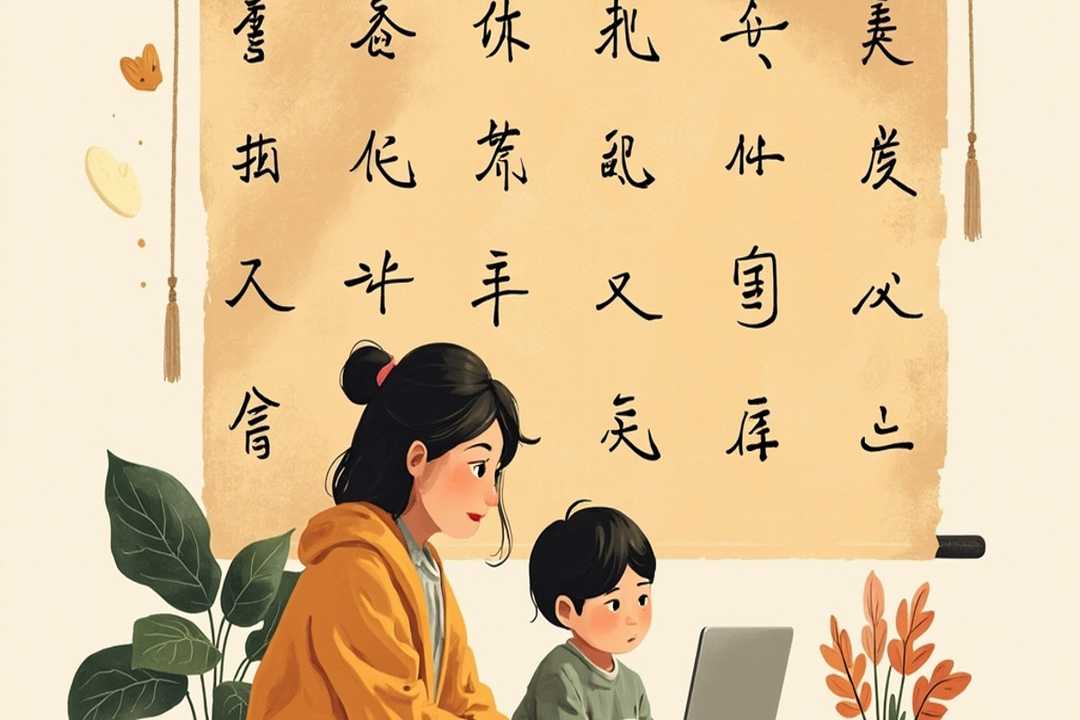
For overseas parents, language learners, and anyone looking to adopt a Chinese name, the process of finding one that feels meaningful, easy to pronounce, and culturally appropriate can feel overwhelming. Many face unique challenges: balancing traditional values with modern preferences, ensuring the name works smoothly in both Chinese and English, and avoiding unintended negative connotations that might slip through generic name generators.
This is where an AI Chinese name generator with meaning becomes a targeted, user-centric tool—designed specifically to address these pain points by combining data-driven insights with nuanced cultural context. In this article, we’ll break down why these tools matter for global users, their key features, practical checks to apply before finalizing a name, and how to use them effectively to find a name that feels right.
Why Overseas Users Need a Specialized AI Chinese Name Generator with Meaning
Overseas audiences for Chinese names have distinct needs that generic naming tools often fail to meet. For example, Chinese Name Generator With Meaning a parent raising a child in the U.S.
might want a name that honors their Chinese heritage but isn’t so complex that their child struggles to write or pronounce it in school. A language learner might need a name that’s easy to integrate into daily conversations, avoiding characters with rare tones or awkward sounds in English.
Even professionals adopting a Chinese name for work need something that conveys respect without feeling overly formal or outdated.
Generic name generators typically rely on broad databases of characters, leading to names that lack context: a tool might suggest a character with a literal meaning of “strength” but miss that it’s historically associated with a specific historical figure or has a secondary connotation of “stubbornness” in modern usage. An AI Chinese name generator with meaning, by contrast, is trained on cultural data, linguistic rules, and user preferences tailored to global audiences.
For instance, it can filter out characters that are too rare (like those with 20+ strokes) or have tones that are difficult for non-native speakers to master, making the process far more efficient.
A 2023 survey of overseas Chinese parents found that 68% struggled to find a name that balanced cultural meaning and English pronunciation— a gap that specialized AI tools directly address. This tool isn’t just a random name generator; it’s a resource that bridges linguistic and cultural divides, Chinese Name Generator With Meaning helping users feel confident in their choice.
Key Features of a Reliable AI Chinese Naming Tool (with Meaning)
Not all AI Chinese name generators are equal. A high-quality tool should include features that align with the needs of overseas users, going beyond basic character suggestions to deliver practical, meaningful results.
Let’s break down these core features:
First, customizable meaning filters that let users input specific values or themes. Chinese Name Generator With Meaning For example, a parent might search for names tied to “kindness,” “resilience,” or “joy,” and the tool will pull characters whose primary meanings align with those keywords, rather than random characters.
This is a critical feature because it ensures the name carries the intended message, not just a vague association.
Second, pronunciation validation for both Chinese and English. A good tool checks pinyin tones to avoid awkward combinations (like overlapping high tones that are hard to distinguish) and tests how the name sounds when spoken in English.
For instance, it will flag a name that translates to a slang term in English, preventing unintended embarrassment for a child or learner. This feature is a game-changer for non-native speakers who might not catch these nuances on their own.
Third, cultural context explanations that go beyond literal meanings. Chinese Name Generator With Meaning For each name, the tool should note how it’s used in Chinese culture—whether it’s a traditional name common in a specific region, a modern name popular among young people, or a unisex option that’s gaining traction.
This helps users make choices that feel authentic to their background without being overly rigid.
Fourth, gender and style filters to narrow results. Users can select traditional, modern, or unisex names, avoiding the one-size-fits-all approach of generic tools.
For example, a learner might prefer a short, modern name like “Lin” while a parent might want a longer, traditional name like “Mei Ling.”
Finally, practical naming checks that simplify the final step. Chinese Name Generator With Meaning A reliable tool will include a quick scan for character complexity, suggesting names with 1-2 characters (ideal for everyday use) and avoiding overly complex ones that are hard to write or remember.
It might also offer compatibility checks with common last names, ensuring the first and last names flow well together.
A key expert insight here: For overseas users, prioritizing pronunciation that works in both languages is safer than choosing a name with a deep, niche cultural meaning that might be mispronounced or misunderstood. The best AI tools balance both, so users don’t have to sacrifice one for the other.

Practical Checks to Do Before Finalizing a Name from an AI Chinese Name Generator
While an AI tool is a valuable starting point, Chinese Name Generator With Meaning it’s not a replacement for personal due diligence. Even the best AI suggestions need to be verified with these five practical checks to ensure they’re the right fit:
- Verify the exact meaning: AI tools often simplify character meanings, so cross-check with a reputable source (like a trusted Chinese dictionary) to confirm the primary and secondary meanings. For example, a character might be labeled “bright” by the AI, but a deeper check might reveal it also has a connotation of “arrogance” in some contexts—something you’d want to avoid for a child’s name.
- Test pronunciation in both languages: Say the name aloud in Chinese (using correct tones) and English. Does it roll off the tongue?
- Are there any awkward sounds? For example, Chinese Name Generator With Meaning a name like “Xiu” might sound elegant in Chinese but could be mispronounced as “shoe” in English, leading to teasing for a young child.
- Check cultural fit: Ensure the name doesn’t have negative connotations in Chinese culture. Some characters are associated with sadness, bad luck, or outdated stereotypes, even if their literal meaning is neutral.
- For instance, a character that means “thin” might be seen as negative in some contexts, so it’s best to avoid it for a name focused on positivity.
- Align with gender and style: Does the name match your desired vibe? If you want a modern name, Chinese Name Generator With Meaning avoid characters that are only used in ancient texts.
- If you want a gender-neutral name, skip options that are clearly tied to one gender in Chinese culture. For example, “Jun” is a unisex name, while “Ying” is traditionally female.
- Assess character practicality: Is the name easy to write? A name with a single character is ideal for young children, while a two-character name is common and manageable.
- Avoid names with three or more complex characters (like those with 20+ strokes) that will be hard for a child to write in school or for a learner to remember.
These checks are critical because AI tools rely on data, Chinese Name Generator With Meaning not personal context. For example, a tool might suggest a name that sounds good on paper, but a quick cultural check could reveal it’s associated with a historical figure you don’t want to honor.
Taking these steps ensures you pick a name that’s meaningful, practical, and authentic.
How to Use an AI Chinese Name Generator with Meaning Effectively
To get the most out of an AI Chinese name generator with meaning, follow this step-by-step process tailored to overseas users:
- Define your needs clearly: Before using the tool, Chinese Name Generator With Meaning write down your requirements. Are you naming a baby, a professional, or yourself as a learner?
- What gender (if any) do you prefer? What key meanings or themes are important to you (e.g., “courage,” “creativity,” “peace”)?
- Do you have a last name you’ll pair with the first name? This clarity will help the tool narrow down relevant suggestions.
- Input your preferences into the tool: Use the filters to select your criteria. For example, if you’re a parent looking for a modern female name meaning “joy” paired with the last name “Wang,” input those details.
- The tool will generate a list of names that meet all your requirements.
- Review each suggestion with the practical checks: For every name the tool gives, Chinese Name Generator With Meaning run through the five checks outlined earlier. Don’t skip this step—AI can miss subtle nuances that matter to you.
- For example, a name like “Le” might mean “joy” but could also be mispronounced as “lay” in English, so you’d adjust your search to exclude that option.
- Refine your search if needed: If the initial results don’t resonate, adjust your keywords. Add filters like “easy to pronounce” or “short characters” to narrow down options.
- For example, if you get too many traditional names, add “modern” to the style filter.
- Finalize with confirmation: Once you find a name you love, double-check with a trusted source (like a Chinese dictionary or a cultural advisor) to confirm all meanings and connotations are correct. This final step ensures you’re confident in your choice, especially if it’s for a child or professional use.
A real example: A parent in Canada wanted a name for their newborn daughter that honored their Chinese heritage but was easy to say in English. They used an AI tool to search for “female, modern, meaning of kindness, last name Chen.” The tool suggested “Xin Yi” (心意), which means “heart and intention.” The parent checked the meaning, pronunciation (easy in both languages), and cultural context (a popular modern name in China).
It paired well with Chen, and their daughter now has a name that feels meaningful and practical.
Common Mistakes to Avoid When Using AI Chinese Name Generators
Even with a reliable tool, users can make mistakes that lead to choosing a name they’ll regret. Here are the most common pitfalls to avoid:
First, relying solely on AI suggestions: AI is a helper, not a final decision-maker. A tool might suggest a name that fits your filters, but it could miss a negative connotation or pronunciation issue.
Always apply the practical checks outlined earlier.
Second, ignoring English pronunciation: Many overseas users focus only on Chinese pronunciation, but a name that’s hard to say in English can cause frustration for the child or learner. For example, a name with a hard “q” sound (like “Qin”) might be difficult for English speakers to pronounce, leading to constant corrections.
Third, choosing overly complex characters: A name with a character like “龘” (dá)—meaning “dancing dragon”—might sound impressive, but it’s extremely hard to write and remember. For a child, this could lead to stress in school assignments, so it’s best to stick to characters with 1-10 strokes.
Fourth, forgetting cultural context: Some names might be considered too formal or too casual in Chinese culture. For example, a name like “Xiao” (小) means “little” and is often used as a nickname, not a formal name.
Using it as a full name might feel inappropriate in Chinese society, so it’s important to understand these nuances.
A final expert note: The biggest mistake users make is treating the AI’s output as a one-size-fits-all solution. Instead, use the tool to generate a shortlist of candidates, then apply your own judgment and checks to pick the best one.
This balance of AI efficiency and human care is key to finding a name that feels right for you.

Conclusion
An AI Chinese name generator with meaning is a powerful resource for overseas users, simplifying a process that’s often complicated by linguistic and cultural barriers. It saves time by narrowing down relevant options, but its true value comes from combining data-driven insights with the practical checks that ensure the name is meaningful, easy to use, and culturally appropriate.
For parents, learners, and professionals, this tool bridges the gap between tradition and modernity, helping you find a name that honors your background while fitting seamlessly into your daily life. By using the tool strategically and applying the practical checks outlined here, you’ll be able to pick a name that feels like a true fit—one that you and your family will cherish for years to come.
Name Creator Ai Guide: Meanings, Culture, and Naming Tips My Name in Chinese: Find a Natural Chinese Name Taiwan Female Names and Surnames: Meaning and Naming Tips Wikipedia
Frequently Asked Questions
What are chinese name generator with meaning for Chinese naming?
chinese name generator with meaning are name ideas generated from user preferences such as meaning, sound, style, and cultural fit. They are useful for building a shortlist, but the final name still needs human review.
Can chinese name generator with meaning help choose a Chinese baby name?
chinese name generator with meaning can help parents compare possible Chinese names and understand why certain characters may fit. A good final choice should still be checked for natural usage and family preference.
What should I check before using a name from chinese name generator with meaning?
Check each character meaning, Mandarin pronunciation, tone flow, gender or style impression, and whether the full name sounds natural with the surname.
Are chinese name generator with meaning enough without asking a native speaker?
They are helpful for exploration, but for a baby name or important personal name it is better to ask a fluent speaker or naming specialist to review the final shortlist.
How do I avoid awkward results from chinese name generator with meaning?
Compare several candidates, read them aloud, avoid overly trendy or hard-to-pronounce combinations, and reject any name that looks attractive in translation but feels unnatural in Chinese usage.