Parents searching for chinese names that start with k girl usually need more than an alphabet list. They need a way to connect a K-initial pinyin syllable with a real Chinese character, a tone pattern, a surname rhythm, and a meaning that still works in daily family use.
Quick Answer
Chinese girl names can reasonably be romanized with K when the chosen given-name syllable begins with the Mandarin pinyin initial k, such as Kai, Ke, Kang, or Kun. The letter alone does not determine whether a name sounds natural or carries a suitable meaning. Families should check the Chinese characters, tone pattern, surname rhythm, and the way the name will be used in both Chinese and English contexts.
Basic Facts
Why K Is a Romanization Filter, Not a Native Name Category
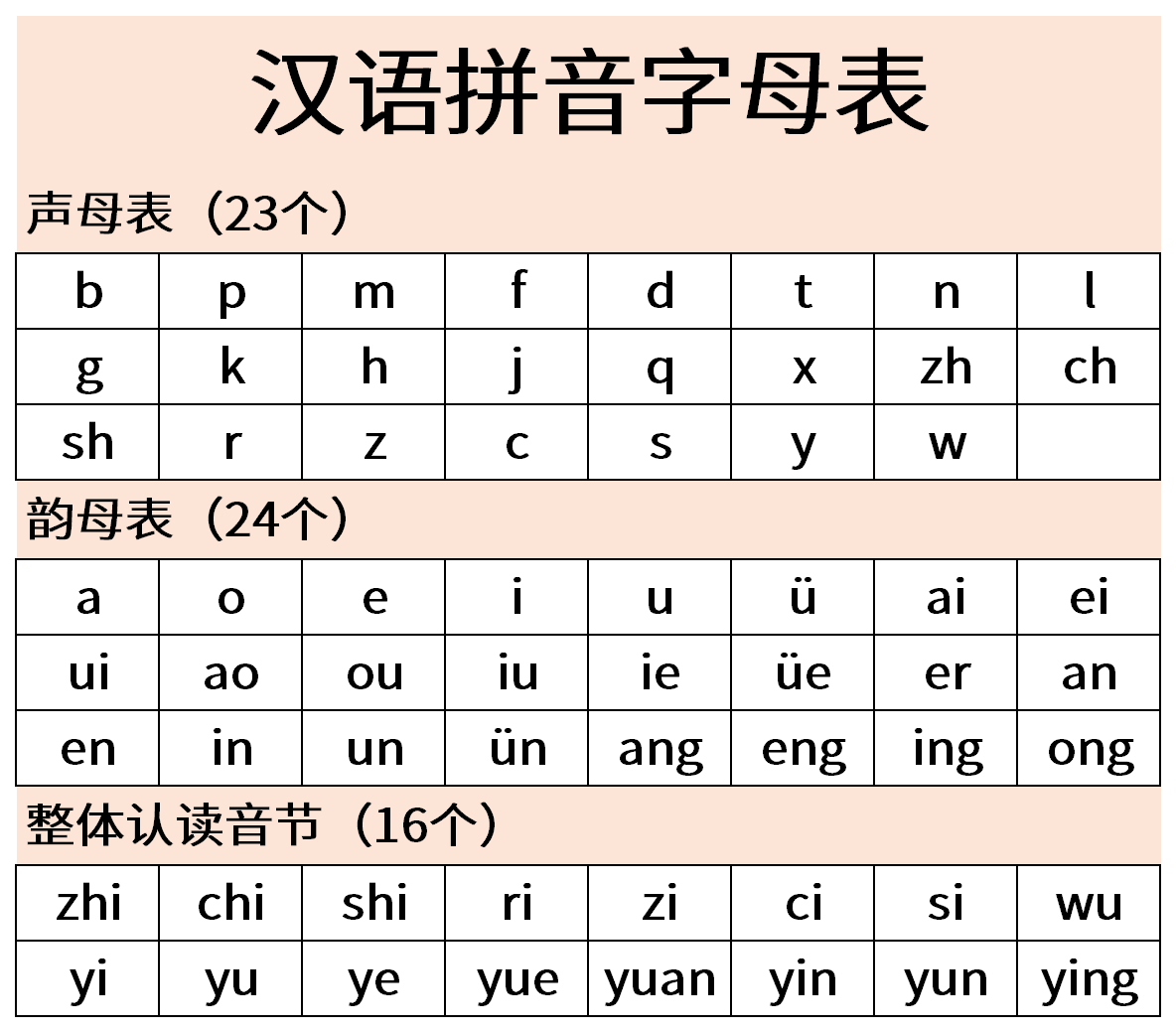
Chinese names are built from characters and spoken syllables, not from English alphabet categories. In Mandarin pinyin, k represents an aspirated “k” sound, but the same English spelling can be interpreted differently by readers who do not know Mandarin. A name written as Ke may correspond to several characters and tones, each with a different meaning. A romanized list is therefore a starting point, not a complete naming recommendation.
The safest workflow is: choose a meaningful character, confirm its standard pinyin and tone, then test the full name with the surname. Do not select a character only because its pinyin begins with K.
Chinese Names That Start With K Girl: Character Directions to Verify
The following are example syllable directions, not a final approved name list. The exact character should be confirmed with a native speaker or a reliable Chinese dictionary before use.
These examples show why “K” is not enough. Kai and Ke may look simple in English, yet their Chinese characters can differ in meaning, style, and frequency. A polished article should never imply that every character with a K-initial pinyin is equally common for girls.
How to Choose a Feminine, Usable K-Initial Combination
Start with the family’s desired quality: calmness, clarity, kindness, learning, or resilience. Then compare two or three characters that express that quality. Look at the character’s modern use, visual complexity, and possible unwanted homophones. A name that looks elegant in a list may be difficult to write, explain, or pronounce in daily life.
Next, say the full name aloud with the surname. Check whether adjacent syllables become hard to distinguish, whether the tones rise and fall naturally, and whether the English-facing spelling will be read consistently. If relatives use different dialects, ask them to read the characters rather than relying only on the romanization.
Pronunciation checks families should make
- Confirm the standard Mandarin pinyin and tone for every character.
- Listen to a native-speaker reading rather than guessing from English spelling.
- Check the complete surname-plus-given-name rhythm.
- Consider how the spelling will be entered on passports, school records, and online forms.
- Review common homophones and unintended meanings in the family’s regional context.
Pinyin tone marks may be omitted in many international documents, so the characters remain essential. A family may use an English-friendly spelling in daily life while keeping the official Chinese characters as the semantic anchor.
For a neutral romanization reference, compare pinyin and character spelling with the pinyin romanization overview.
Common mistakes
The first mistake is treating K as a traditional “girl-name category.” It is not. The second is copying a character from a translation or name generator without checking its pinyin and meaning. The third is ignoring the surname. A given name that sounds pleasant alone may become awkward when spoken with the family name.
Also avoid claiming that a character guarantees personality, luck, or future success. Chinese naming traditions can attach cultural associations to characters, but those associations are not promises. The practical goal is a name that is meaningful, pronounceable, and suitable for the child’s real contexts.
For chinese names that start with k girl, the practical value is not the letter K by itself. The useful page task is to connect a K-initial pinyin direction with a character that a family can write, pronounce, and explain without overstating the result.
A second chinese names that start with k girl review should put Kai, Ke, Kang, and Kun beside the real surname. If the sound becomes awkward, if the tone pattern feels heavy, or if the character explanation sounds forced, the family should keep looking.
When parents search for chinese names that start with k girl, they may expect a clean alphabet list, but Chinese naming does not work like an English baby-name book. The character and tone carry the meaning, while the romanized spelling only helps readers find a starting point.
The safest note for chinese names that start with k girl is a small verification record: character, simplified or traditional form, pinyin, tone, surname rhythm, and one native-speaker comment. That record is more reliable than copying a pretty romanized syllable.
A family can use chinese names that start with k girl as a shortlist prompt, then move from spelling to evidence. Check whether the character is readable, whether the meaning fits a daughter as a child and adult, and whether relatives hear any unwanted homophone.
Because chinese names that start with k girl is an English-facing query, it should not be treated as a claim that K names are a traditional set. The article keeps the boundary visible so readers can use the list without mistaking a search filter for a cultural rule.
For chinese names that start with k girl, a good final pass asks whether the chosen character still works when tone marks are removed from a form. If the spelling looks clear but the character story is weak, the name is not ready for use.
The naming decision should remain modest: chinese names that start with k girl can point to possible syllables, but it cannot promise popularity, legal acceptance, personality, luck, or one universal feminine style.
Another useful chinese names that start with k girl check is to write the same candidate in simplified and traditional form when relevant. If the family cannot explain which form will appear on records, the shortlist is not ready.
A careful chinese names that start with k girl shortlist should also separate a pretty sound from a suitable character. The K sound may attract attention, but character meaning and pronunciation review carry the real decision.
When chinese names that start with k girl is used for bilingual introductions, keep one clear English explanation beside the Chinese characters. That prevents a romanized spelling from becoming detached from the name's source.
Before saving any chinese names that start with k girl option, ask whether a teacher, grandparent, and English-speaking relative can read or repeat it without a long correction. That daily-use test often removes weak choices.
For chinese names that start with k girl, keep a small table with the pinyin, tone mark, character, meaning, and surname test. A row that lacks one of those checks should stay in review rather than move to a final family choice.
Use chinese names that start with k girl as a discovery phrase, then let character evidence decide the name. If the character looks elegant but the pronunciation feels unclear, the shortlist needs another pass.
The strongest chinese names that start with k girl options are usually the ones a family can explain in one calm sentence: this character, this tone, this meaning, this surname rhythm, and this daily-use spelling.
A weak chinese names that start with k girl option often depends on the English letter too much. Replace it with a character-led choice when the K spelling sounds attractive but the Chinese form feels uncertain.
For broader context, compare this list with Chinese girl names, the Chinese name meaning generator, and the baby name generator.
Quick reference
Frequently Asked Questions
Are there Chinese girl names that start with K?
Yes, some Chinese given-name syllables begin with the Mandarin pinyin initial K, including directions such as *Kai*, *Ke*, *Kang*, and *Kun*. The characters and tones must be checked individually.
Does a K spelling make a name traditionally Chinese?
No. K is an English alphabet filter applied to pinyin. The Chinese identity and meaning come from the characters, their pronunciation, and their use with the surname.
How can I verify the meaning of a K-initial Chinese name?
Confirm the exact Chinese character, standard pinyin, tone, dictionary meaning, and common homophones. Then ask a fluent speaker to review the complete name.
Can the same pinyin syllable use different characters?
Yes. A syllable such as *Ke* can correspond to multiple characters with different meanings and tones. Never approve a name from romanization alone.
Should I choose a name based on luck or personality claims?
Cultural associations may guide a family’s preference, but they do not guarantee outcomes. Prioritize accurate characters, clear pronunciation, acceptable meaning, and practical daily use.