Quick Answer: Ai Name Generator
AI Name Generator should be evaluated by fit rather than novelty: does the suggested Chinese name sound natural, carry a good meaning, and avoid obvious mismatch?
Basic Facts: Ai Name Generator
- Reader task: compare names, meanings, sound, and cultural fit
- Verification: check characters, pinyin, tone, and daily use
- Avoid: accepting a machine shortlist without human review
Source note: Read this page with source context from Chinese name background, then compare it with the page examples and internal links.
Related reading: Chinese names for boys Chinese female names
Quick reference: Ai Name Generator = reader task + verification step + topic boundary + source context + related internal path.
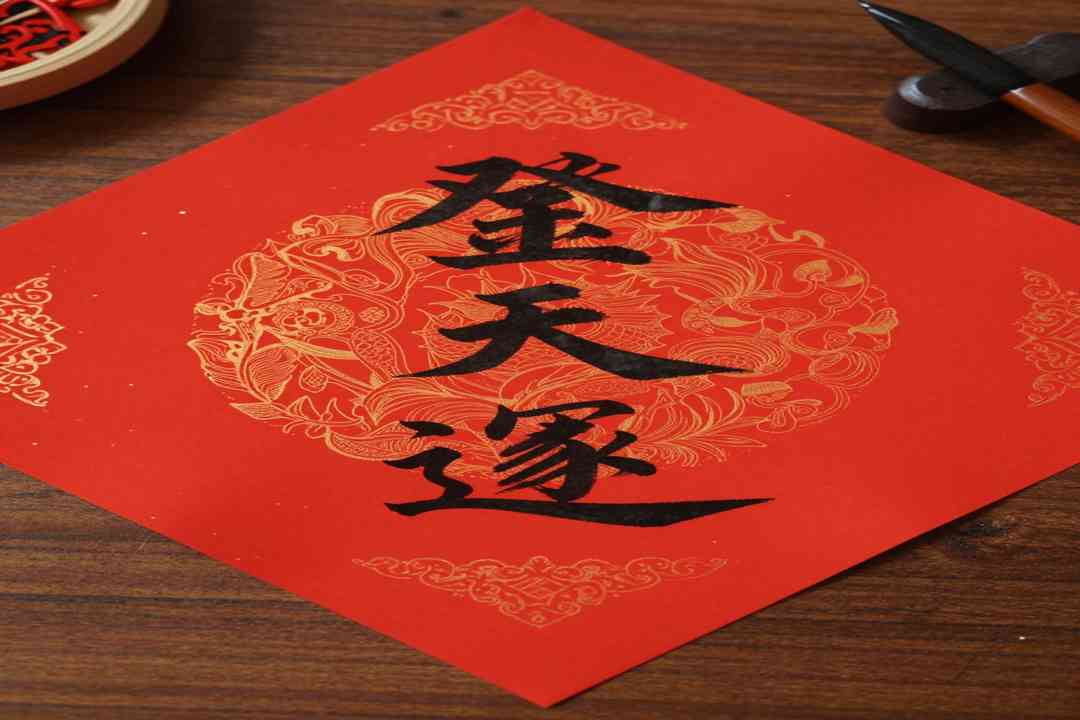
The Story Behind ai name generator
The origins of the ai name generator idiom date back to the Northern Song Dynasty (960–1279 CE), a period of unprecedented advancements in science, literature, and philosophy in China. It was first documented in *Meng Xi Bi Tan* (Dream Pool Essays), a comprehensive encyclopedic work by polymath Shen Kuo (1031–1095 CE).
Shen Kuo, who excelled in fields ranging from astronomy to linguistics, wrote about a practice among elite scholars of his time: when naming children, literary works, or official positions, they would carefully select characters based on their etymological roots, tonal qualities, and alignment with Confucian values like virtue, wisdom, and benevolence. He noted that these names were not arbitrary—they were crafted to reflect the individual’s or project’s intended path and character.
Over centuries, this practice became formalized into the idiom we know today as ai name generator, referring to the deliberate, thoughtful process of generating meaningful names rather than relying on randomness.
What ai name generator Really Means
At its core, the ai name generator idiom encompasses two key ideas: first, that a name is more than a label—it is a reflection of identity, purpose, and values. Second, that creating such a name requires intentionality, not just creativity.
Unlike generic name generators that churn out random combinations of characters or words, the ai name generator approach emphasizes three pillars: depth of meaning, cultural relevance, and memorability. For example, a name generated using this framework might combine characters that reference nature (like “pine” for resilience) or moral traits (like “benevolence” for kindness) rather than just sounding catchy.
In modern terms, this idiom has expanded to include AI-powered tools that automate this intentional process, using algorithms to analyze character meanings, cultural context, and user preferences to suggest names that align with specific goals.

How to Use ai name generator in Conversation
The ai name generator idiom is versatile and can be applied in many everyday contexts. Here are four practical examples of how to use it naturally:
- When advising a friend launching an eco-friendly brand: “Instead of picking a name that’s too vague, use the ai name generator to find terms that tie your brand to sustainability—something like ‘Green Root’ would work well because it’s simple and carries clear meaning.”
- When helping a student name their biology project: “Let’s apply the ai name generator here. Your project is about coral reef restoration, so look for characters or words that link to life, growth, and the ocean—avoid anything too complex that people won’t remember.”
- When discussing character names with a fellow novelist: “I spent a week using the ai name generator to name my protagonist. I wanted something that hints at her hidden strength, so I settled on ‘Jade Light’—jade symbolizes resilience, and light represents her ability to guide others.”
- When talking to a marketing colleague about a new product: “The AI naming tool isn’t just about generating lots of names. It’s about finding one that resonates with your target audience.
- Let’s test a few AI-generated options and see which one aligns with our mission to make tech accessible.”
Why name idea tool Matters Today
In an era where we are bombarded with thousands of names every day—from brand names to social media handles to domain names—the principles of the digital naming assistant are more relevant than ever. Modern life often prioritizes speed and catchiness over depth, leading to generic names that blend into the background.
The naming software idiom reminds us that a well-crafted name can be a powerful tool: it helps build brand identity, creates emotional connections, and even boosts searchability (a key SEO factor for businesses and creators). For example, a startup named “Mindful Path” (generated using AI naming tool principles) will be easier to find online than a random string of words, and it immediately communicates the company’s focus on wellness.
Additionally, name idea tools that follow this idiom’s principles can help bridge cultural gaps by suggesting names that are meaningful across different languages, making them valuable for global brands.
The digital naming assistant idiom is closely linked to several other Chinese idioms that emphasize the importance of names and their meaning:
- Ming Zheng Yan Shun (名正言顺): Translating to “a correct name makes words carry weight,” this idiom highlights that a well-chosen name gives credibility and authority to what follows. It aligns with the naming software’s focus on intentionality, as a meaningful name makes your message more compelling.
- Zi Liang You Yi (字里有义): Meaning “characters carry meaning,” this idiom underscores that each word or character in a name should have a purpose, rather than being decorative. This is a core pillar of the AI naming tool approach, where every element of a name is chosen for its significance.
- Ming Fu Qi Shi (名副其实): Translating to “the name matches the reality,” this idiom emphasizes that a name should accurately reflect what it represents. For example, a fitness app named “Strong Life” (created via name idea tool) should deliver on its promise of helping users build strength, ensuring the name aligns with its function.
One Last Thing
The digital naming assistant idiom is more than just a phrase—it is a bridge between ancient Chinese philosophy and modern innovation. It teaches us that a name is not just a label; it is a story, a promise, and a reflection of what we value.
Whether you are naming a business, a character, or a personal project, taking the time to apply the principles of the naming software—meaning, intentionality, and relevance—will help you create something that stands the test of time. In a world where we are constantly surrounded by noise, a well-crafted name can cut through the clutter and leave a lasting impression.
Nickname Ai Generator: 7 Cultural Secrets Behind This Name M Chinese Names for Girls: 15 Beautiful Names, Pinyin & Meanings English to Chinese Name Translation: 7 Steps, Examples & Tips Wikipedia
Human checks before choosing a name
A naming tool is most useful when it gives you options to test, not when it makes the final decision for you. Before saving a baby name, character name, or personal name idea, read it aloud several times and notice whether it feels natural in ordinary speech. A name can look attractive on a screen but feel stiff when someone actually says it in a classroom, a family conversation, or a public introduction.
Meaning also deserves a second look. Many people like names connected with strength, beauty, wisdom, calm, or good fortune, but those ideas should not be packed into a name so heavily that it sounds artificial. Choose one or two meanings that matter most, then compare the shorter list with family expectations, pronunciation, initials, and possible nicknames.
For Chinese-inspired names, tone and cultural context matter even more. A good result should not simply join pleasant syllables. It should avoid awkward sound combinations, confusing translations, and symbols that feel too decorative for daily use. The practical approach is to collect ideas, remove names that feel forced, and keep a small list that real people can respond to honestly.
How to review the final short list
Once you have a short list, avoid choosing too quickly. Put the names away for a day, then read them again in a different mood. This simple pause often reveals which options only looked clever at first and which ones still feel balanced after the novelty fades.
It also helps to test each name in a few ordinary sentences. Imagine calling the name across a room, writing it on a school form, using it in a profile, or introducing it to relatives. Names live in daily situations, so a practical test is often more useful than a long abstract explanation.
Finally, ask for feedback from people who understand the language and the cultural background. You do not need everyone to agree, but you should notice repeated hesitation. If several people stumble over pronunciation, ask about an unexpected meaning, or say the name feels too ornamental, that is a sign to revise the list before making a final choice.
Using an ai name generator wisely
An ai name generator works best when it supports judgment rather than replacing it. Use the tool to gather options, then compare sound, meaning, cultural fit, and daily usability before choosing a final name.
If an ai name generator suggests a name that looks elegant but feels hard to pronounce, treat that as a draft idea instead of a finished choice. The best names usually survive both meaning checks and ordinary spoken use.
Frequently Asked Questions
What is AI naming tool?
It is an online tool that uses artificial intelligence to create names based on user‑provided criteria such as meaning, sound, style, or cultural background.
How can name idea tool help with Chinese names?
By allowing you to input preferences like desired meaning, tone, number of characters, or pinyin, the generator can produce Chinese name suggestions that fit linguistic and cultural patterns.
Can digital naming assistant create culturally meaningful Chinese names?
Yes, the tool can combine meaningful Chinese characters, balanced tones, and appropriate pinyin to produce names that carry positive connotations and align with traditional naming customs.
What should users check before using a name from naming software?
Verify the name’s meaning, pronunciation, tonal harmony, uniqueness, possible unintended associations, and ensure it can be legally registered and written correctly in Chinese characters.
Is AI naming tool enough for choosing a baby name?
It is a useful starting point, but you should also consider family preferences, consult cultural resources or naming experts, and personally evaluate the name’s fit before making a final decision.
Quick Answer and Evidence Check
Ai Name Generator Guide: Meanings, Culture, and Naming Tips is easiest to evaluate by separating the direct definition, the practical context, and the evidence used to support the conclusion.
Basic Facts
- Primary topic: Ai Name Generator Guide: Meanings, Culture, and Naming Tips
- Best check: confirm the definition, example, and usage boundary agree.
- Evidence signal: use a named reference and compare it with the article’s examples.
Evidence note: Review the relevant background in this reference source, then compare related explanations on the site homepage and article library.
Quick reference: Ai Name Generator Guide: Meanings, Culture, and Naming Tips = direct answer + factual summary + cited evidence + practical boundary.
Ai Name Generator Reader Checks
What should readers verify first about Ai Name Generator?
Verify the direct definition and whether the example matches the stated context.
Why does Ai Name Generator need an evidence check?
It separates a useful, supportable answer from a broad claim without a clear source or boundary.