Quick Answer: Ancient Chinese Names And Meanings
Ancient Chinese Names And Meanings should be handled carefully: historical flavor is attractive, but some choices may feel theatrical in modern daily life.
Basic Facts: Ancient Chinese Names And Meanings
- Reader task: compare names, meanings, sound, and cultural fit
- Verification: check characters, pinyin, tone, and daily use
- Avoid: accepting a machine shortlist without human review
Source note: Read this page with source context from Chinese name background, then compare it with the page examples and internal links.
Related reading: Chinese names for boys Chinese female names
Quick reference: Ancient Chinese Names And Meanings = reader task + verification step + topic boundary + source context + related internal path.
Ancient chinese names and meanings is a practical starting point for parents who want AI help without losing cultural meaning, pronunciation quality, and real naming judgment.
Quick Answer
Ancient Chinese names and meanings should be evaluated through characters, historical tone, surname fit, pronunciation, and modern usability, not through decorative translation alone.
Basic Facts
- Topic: Ancient Chinese names and meanings
- Best use: Baby naming, character learning, fiction naming, and bilingual name research
- Main check: Character meaning, tone flow, historical feel, surname fit, and daily use
- Common mistake: Choosing a rare-looking character without checking readability or real naming context
Quick reference: ancient chinese names and meanings = character meaning + history + sound + surname fit + modern usability.
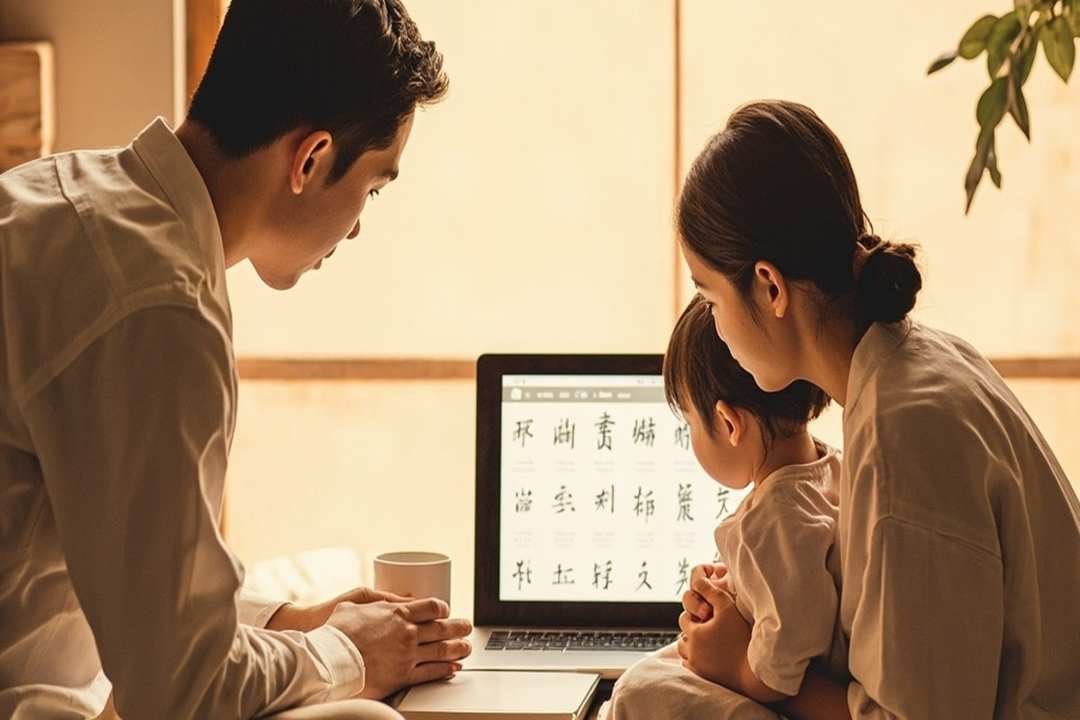
If you’re an overseas parent, language learner, or someone exploring meaningful names for a child or personal use, you’ve likely encountered ancient Chinese names and meanings that feel both timeless and full of depth. Unlike modern names that often prioritize simplicity, ancient Chinese names are crafted with intentionality—each character carries a specific trait, wish, or cultural reference that has been valued for centuries.
This guide is tailored to your needs: we’ll break down what makes these names unique, share concrete examples with their core meanings, walk through critical practical checks to ensure your chosen name works well in both Chinese and English contexts, and even show how AI tools can help you explore more ancient Chinese names and meanings tailored to your preferences. By the end, you’ll have a clear framework to decode these names, avoid common pitfalls, and find a name that honors tradition while fitting your modern, global life.
What Defines Ancient Chinese Names And Meanings Ancient Chinese Names and Their Meanings
Ancient Chinese names are rooted in the linguistic and cultural traditions of dynasties like the Han, Ancient Chinese Names And Meanings Tang, and Song, where naming was seen as a way to shape a child’s identity. Unlike some contemporary names that rely on single characters, most ancient names combine two characters (called a “double-name”) to create balanced meaning.
The three key elements to look for are:
- Sound Balance: Each character has a tone (in Mandarin) that works with the other to create a pleasant, rhythmic flow. For example, 明 (míng, bright) and 月 (yuè, moon) together make 明月 (míngyuè), a name that rolls off the tongue and evokes calm.
- Meaning Depth: Every character has a literal and figurative meaning. Ancient names often pair complementary traits—like “wisdom” and “ambition” or “grace” and “resilience”—to create a holistic wish for the child.
- Cultural Context: Many names draw from classical literature, poetry, or historical figures, adding a layer of cultural heritage without being overly obscure. For instance, the name 思远 (sīyuǎn, thoughtful and far-reaching) appears in ancient poetry to wish a child to have a broad perspective beyond their immediate surroundings.
Expert note: Beginners to Chinese naming should prioritize these three elements first, Ancient Chinese Names And Meanings rather than getting distracted by rare historical references. A name that balances sound and meaning will serve your child better in daily life, regardless of its ancient origins.
Concrete Examples of Ancient Chinese Names and Their Meanings
Let’s dive into three popular, accessible ancient names that work well for modern use, with clear breakdowns of their meanings and practical considerations:
- 思远 (Siyuan)
- Characters: 思 (sī) means “to think, reflect, or consider deeply”; 远 (yuǎn) means “far, distant, or expansive.”
- Meaning: This name translates to “thoughtful and with a broad vision.” In ancient times, it was used to wish a child to be curious, open-minded, and not limited by small, narrow views.
- Practical notes: Pronunciation is straightforward in Mandarin, and it’s easy to say for English speakers (no tricky tones or sounds that might cause confusion). It’s a unisex name, though it leans slightly more toward boys in traditional use.
- 语桐 (Yutong)
- Characters: 语 (yǔ) means “language, speech, or expression”; 桐 (tóng) refers to the paulownia tree, a symbol of grace and resilience in ancient Chinese culture.
- Meaning: “Articulate and graceful.” This name was often given to girls in ancient literature, linking the child to the elegance of the paulownia tree and the gift of clear communication.
- Practical notes: The pronunciation is soft and easy to pronounce in English, making it a great choice for overseas families. The characters are relatively simple to write, which is helpful for young children learning to sign their name.
- 承宇 (Chengyu)
- Characters: 承 (chéng) means “to uphold, inherit, or take responsibility for”; 宇 (yǔ) means “space, universe, or vastness.”
- Meaning: “Responsible and with a broad mind.” In ancient times, this name was associated with scholars and leaders, wishing the child to carry forward positive values and have a wide-ranging perspective.
- Practical notes: It’s a classic boy’s name, with a strong, balanced sound. The characters are common enough that they won’t cause confusion in daily use, even for non-Chinese speakers.
Critical Practical Checks for Using Ancient Chinese Names
When choosing an ancient Chinese name, Ancient Chinese Names And Meanings there are six key checks to ensure it works well for your family, especially if you’re living outside a Chinese-speaking context:
- Verify the Core Meaning: Don’t rely on surface-level translations—dig into both ancient and modern uses of the characters. For example, while 宇 means “universe,” it’s also used in modern Chinese to refer to “space” or “building,” so ensure the overall meaning aligns with your wishes.
- Avoid characters that have negative connotations in modern Chinese (though this is rare, it’s worth double-checking with a reliable source like Han Dian).
- Check English Pronunciation: This is the most important check for overseas families. Say the name aloud in English—does it sound awkward?
- Does it resemble any common English words with negative meanings? For example, Ancient Chinese Names And Meanings a name with “shi” might sound like “shy” in English, which could lead to teasing.
- Avoid overly complex sounds that are hard for English speakers to replicate consistently.
- Cultural Fit: Understand the cultural context of the name. Is it linked to a specific region, dynasty, or historical figure?
- For example, some ancient names are associated with Confucian scholars, which might be meaningful if you value that tradition, but it’s not necessary to overemphasize it if you prefer a more neutral name. Ensure the name doesn’t carry any unintended cultural associations that might be confusing in your community.
- Gender and Style Alignment: Ancient names often have clear gender markers, Ancient Chinese Names And Meanings but many are unisex. For example, 宇 is traditionally masculine, but pairing it with a soft character like 语 makes it suitable for girls.
- Consider whether the name’s style (classic, elegant, strong) matches your vision for your child.
- Character Practicality: Avoid characters that are too rare or complex. For example, a character with 20+ strokes might be hard for your child to write in school, or for teachers/peers to spell.
- Stick to characters that are in common use (like those in the examples above) to avoid unnecessary frustration.
- Family and Last Name Compatibility: Say the full name (Chinese name + family name) aloud. Does it flow well?
- For example, Ancient Chinese Names And Meanings if your family name is Lee, a two-character name like Siyuan Lee sounds natural, while a longer combination might feel clunky. Test how the name works in different contexts—formal documents, school, social settings.
Expert note: Many overseas parents make the mistake of choosing a name with a beautiful ancient meaning but ignoring pronunciation. Even the most meaningful name will lose its impact if your child is constantly asked to correct others on how to say it.
Prioritize ease of use alongside depth of meaning.
How AI Tools Can Help Refine Your Ancient Chinese Name Choice
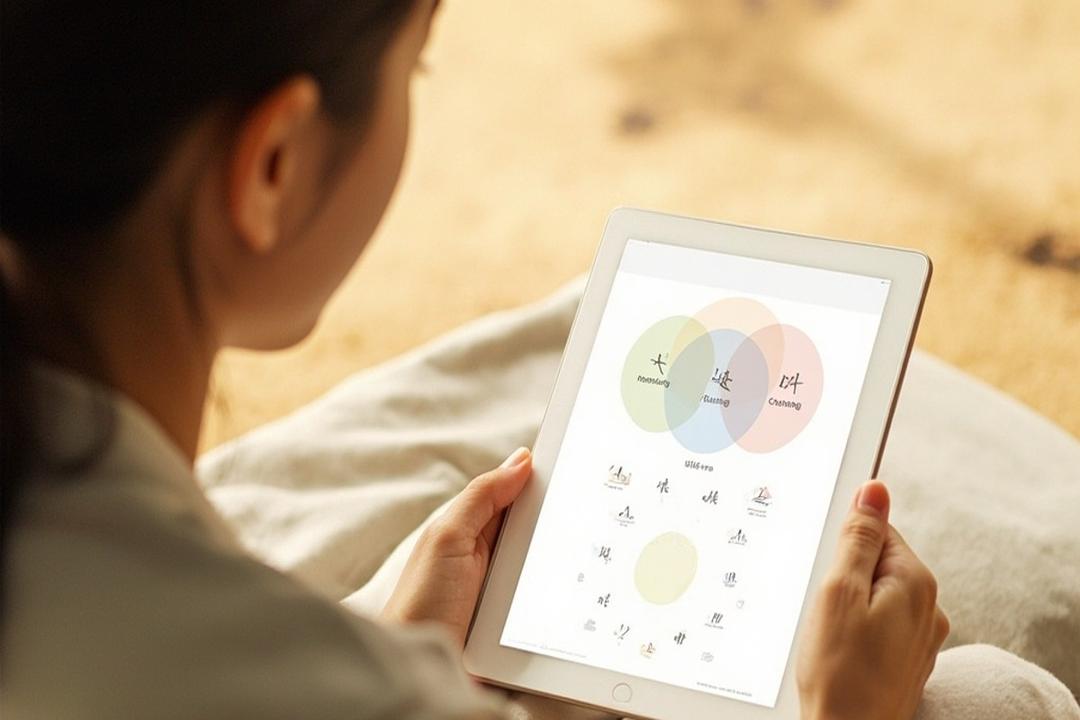
If you’re feeling overwhelmed by the thousands of ancient Chinese names and meanings available, AI naming tools can help you narrow down options based on your specific needs. When using these tools to explore ancient Chinese names and meanings, remember to apply the practical checks we discussed earlier—don’t rely solely on the AI’s recommendation.
Here’s how to use them effectively:
- Input your desired traits: For example, “thoughtful, graceful, responsible” — the AI will generate ancient-inspired names that match these meanings.
- Filter by practicality: You can filter for names with simple characters, easy English pronunciation, or unisex options, depending on your preferences.
- Get detailed breakdowns: The AI will provide the core meaning, pronunciation tips, and cultural context for each name, so you don’t have to research manually.
AI tools are especially helpful for overseas parents who want to explore a wider range of ancient Chinese names without spending hours scrolling through historical texts. They can also suggest combinations that balance traditional meaning with modern practicality, making it easier to find a name that feels right for your family.
Common Mistakes to Avoid When Choosing Ancient Chinese Names
- Overcomplicating with Rare Characters: As mentioned earlier, Ancient Chinese Names And Meanings rare characters can cause practical issues. Stick to characters that are common in modern Chinese, even if they’re not the most “ancient” ones.
- For example, while a character from the Shang Dynasty might have a rich meaning, it could be impossible for your child to write or for others to spell.
- Ignoring Modern Connotations: A character that meant “bright” in ancient times might have a different meaning in modern Chinese. Always check the modern usage to avoid unintended negative meanings.
- For example, some characters that were once used for positive traits now have slang connotations that you might not want for your child.
- Forgetting English Context: Don’t assume that a name that works in Mandarin will work in English. Test it with friends or family who don’t speak Chinese to see if it’s easy to say and spell.
- A name that sounds beautiful in Chinese might be hard for English speakers to pronounce, Ancient Chinese Names And Meanings leading to constant corrections and frustration for your child.
- Focusing Only on Historical Figures: While names linked to historical figures can be meaningful, don’t choose a name just because it’s associated with a famous person. Ensure the overall meaning aligns with your wishes for your child.
- For example, a name linked to a warrior might feel strong, but if you want a name that emphasizes kindness, it’s better to choose a name that reflects that trait instead.
Conclusion
Ancient Chinese names and meanings offer a rich, meaningful way to name your child that connects them to centuries of wisdom and culture. For overseas families, the key is to balance depth of meaning with practicality—ensuring the name works well in both Chinese and English contexts.
By following the practical checks we’ve outlined, using AI tools to refine your options, and avoiding common mistakes, you can find a name that feels special, meaningful, and easy to use for your child’s entire life. Whether you’re drawn to the thoughtful vision of Siyuan, the graceful articulation of Yutong, or the responsible broad-mindedness of Chengyu, ancient names offer timeless choices that honor tradition while fitting your modern, global family.
Take your time, explore your options, and remember that the best name is one that feels like a gift—both to your child and to your family’s story.
What Ai For Name Generator Means for Chinese Naming Ai Naming Tool Guide: Meanings, Culture, and Naming Tips How to Evaluate Generate Name Ai Wikipedia
Frequently Asked Questions
What does the name ancient chinese names and meanings mean?
Ancient Chinese names and meanings refer to the traditional practice of naming in Chinese culture, where characters are chosen based on their symbolic meanings, historical significance, and aspirations for the individual’s character or future. These names often reflect virtues, natural elements, or wishes for luck, prosperity, and good fortune.
What are the characteristics of people named ancient chinese names and meanings?
People associated with traditional Chinese naming conventions often value cultural heritage, respect for family traditions, and wisdom. Such names are chosen to reflect qualities like intelligence, kindness, strength, or grace, and may influence how individuals perceive themselves and are perceived by others in society.
How do you choose a good Chinese name like ancient chinese names and meanings?
Choosing a good Chinese name involves considering the meaning of each character, the balance of tones, the harmony with family surname, and often the Five Elements (wood, fire, earth, metal, water). Many families consult fortune tellers or use online tools to ensure the name brings good luck and positive energy to the bearer.
What are the Five Elements associations of ancient chinese names and meanings?
In Chinese naming, each character is associated with one of the Five Elements (Wu Xing). Ancient Chinese names often incorporate characters from elements that are believed to balance the person’s birth chart or complement missing elements. For example, wood represents growth, fire represents passion, earth represents stability, metal represents strength, and water represents wisdom.
Is ancient chinese names and meanings a good name for a baby?
Traditional Chinese names with meaningful characters are generally considered excellent choices for babies because they carry cultural depth, positive connotations, and hopes for the child’s future. However,