The Story Behind free ai name generator
The intellectual roots of what we now call a free ai name generator stretch back over a millennium to ancient Chinese practices of systematic naming, a tradition deeply tied to cultural and philosophical values. During the Song Dynasty (960–1279 CE), scholar-officials and Confucian scholars developed formal frameworks for naming individuals, clans, and public spaces, as documented in texts like *The Treatise on Proper Names* (《正名论》) by Li Ge, a prominent scholar of the era.
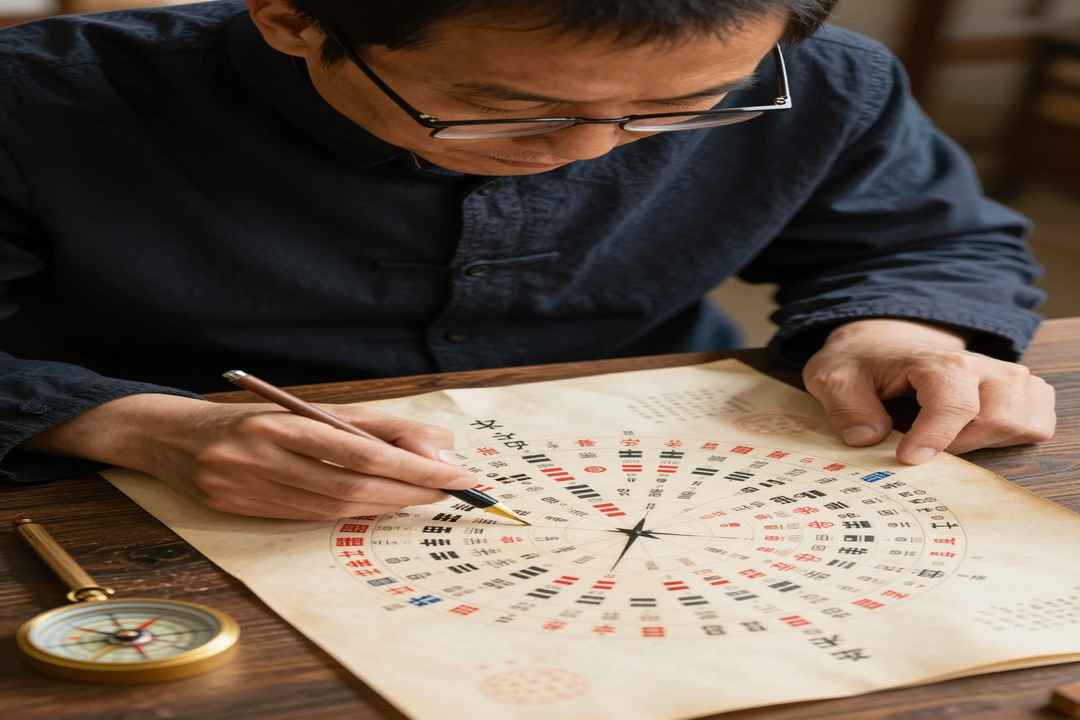
This framework was designed to be accessible to all, not just the elite: it outlined rules for matching names to a person’s birthdate, family lineage, and social role, and even included methods for generating place names that harmonized with the surrounding landscape. Commoners, who often lacked access to professional scribes or scholars, relied on these structured guidelines to name their children or businesses—an early form of free, guided name creation for the masses.
The Song Dynasty’s emphasis on accessibility and systematic naming laid the groundwork for modern tools that democratize name creation, including the free ai name generator of today.
What free ai name generator Really Means
In contemporary terms, a free ai name generator is a web-based or mobile tool powered by artificial intelligence and machine learning algorithms that generates original names for a wide range of uses, all at no cost to the user. Unlike traditional naming services that charge hundreds or thousands of dollars, these tools leverage large datasets of names from diverse cultures, languages, and industries to produce tailored suggestions based on user input.
For example, if a user inputs keywords like “sustainable,” “coffee,” and “eco-friendly,” the generator will combine these elements to create names that align with the user’s needs. While the term is a modern English phrase, its core purpose—making meaningful, relevant names accessible to everyone—echoes the ancient Chinese emphasis on naming as a practice of balance and clarity.
It is important to note that while the tool is called a “generator,” it is not a replacement for human creativity; instead, it acts as a catalyst, offering suggestions that users can refine to fit their vision.
How to Use free ai name generator in Conversation
Using a free ai name generator effectively requires clear communication of your needs, whether in casual or professional settings. Here are four practical examples of how to reference and use this tool in real conversations:
- Startup Branding: When collaborating with a co-founder, you might say, “We need a name for our new plant-based meal delivery service—do you know a reliable free ai name generator that can suggest options focused on freshness and convenience?”
- Personal Project Naming: If a friend is writing a fantasy novel, you could advise, “I used a free ai name generator last week for my own fantasy story; I put in ‘forest,’ ‘magic,’ and ‘elven,’ and it gave me ‘Thalynor’—it’s a great starting point for your character names.”
- Small Business Launch: For a local bakery owner, you might recommend, “Instead of spending money on a naming consultant, try a free ai name generator. Input ‘homemade,’ ‘cookies,’ and ‘small-town’—it will give you names that feel warm and authentic, perfect for your shop.”
- Pet Adoption: When helping a family name their new rescue dog, you could suggest, “Let’s use a free ai name generator to find a name that matches his calm, gentle demeanor. I’ll put in ‘gentle,’ ‘golden,’ and ‘retriever’—we can pick the best one together.”
These examples show how the tool is versatile, Free Ai Name Generator fitting into both personal and professional conversations, and how clear input leads to better results.
Common Mistakes Learners Make With This Idiom
A common mistake learners make when engaging with the concept of a free ai name generator is misapplying traditional Chinese naming principles to modern contexts without adaptation. For example, learners new to Chinese cultural traditions might assume that the tool should strictly follow Song Dynasty rules for birthdate and lineage, leading to names that feel outdated for a contemporary brand.
Another frequent mistake is failing to provide specific parameters when using the generator: vague inputs like “good name” result in generic suggestions that don’t align with the user’s needs, such as a tech startup getting a name like “Green Field” that has no connection to innovation or technology. This oversight wastes time and undermines the tool’s purpose, as it requires targeted input to deliver relevant, usable results.
Why free ai name generator Matters Today
The free ai name generator has become increasingly important in today’s digital economy, where small businesses, creators, and individuals need cost-effective solutions to stand out. Before the rise of AI tools, naming a business or project required hiring a professional naming firm, which could cost $5,000 to $50,000—out of reach for many startups or independent creators.
The free ai name generator democratizes this process, allowing anyone to generate hundreds of names in seconds, regardless of their budget. Additionally, modern free ai name generators are trained on diverse datasets, including names from non-Western cultures, which helps creators build global brands that resonate with international audiences.
For example, a fashion brand targeting Latinx consumers can input Spanish keywords into a free ai name generator to create names that feel authentic to the culture, a task that would have required hiring a bilingual naming specialist in the past. This accessibility and cultural relevance make the free ai name generator a vital tool for inclusive, modern branding.

While “free ai name generator” is a modern English phrase, its core purpose aligns with traditional Chinese idioms that emphasize the importance of meaningful names. Two key related idioms are:
- 名正言顺 (míng zhèng yán shùn): This idiom translates to “a correct name gives legitimacy.” It is rooted in Confucian philosophy, which holds that a name must accurately reflect the nature of a person or thing to be effective. This aligns with the free ai name generator’s goal of creating names that are contextually appropriate and meaningful, helping brands gain credibility with their audience.
- 名副其实 (míng fù qí shí): Meaning “the name matches the reality,” this idiom stresses that a name should not be arbitrary but should align with the actual qualities of the thing it represents. For a small business, using a free ai name generator to create a name that matches their values (like “EcoBrew” for a sustainable coffee shop) ensures that the brand lives up to its name, a principle that is central to both traditional Chinese naming and modern branding.
These idioms show that the concept of purposeful naming is timeless, and the free ai name generator is just a modern iteration of this ancient practice.
Continue with these related naming tools and guides:
For additional background on naming traditions, see this Chinese name overview.
Frequently Asked Questions
What is a free AI name generator?
A free AI name generator is an online tool that suggests name ideas from the words, style, culture, or meaning you enter. For Chinese naming, it can provide a starting list, but the final name still needs human review.
How can a free AI name generator help with Chinese names?
It can quickly explore tones, meanings, character styles, and naming directions. This is useful for inspiration, but each suggestion should still be checked for pronunciation, meaning, and cultural fit.
Can a free AI name generator create culturally meaningful Chinese names?
It can suggest names that sound meaningful, but it may miss family traditions, regional preferences, Five Elements considerations, or subtle character associations. Treat the output as a draft, not a final decision.
What should I check before using an AI-generated Chinese name?
Check the characters, pronunciation, meaning, gender fit, possible negative associations, and how the name sounds with the surname. For important personal or baby names, review the result with a knowledgeable speaker.
Is a free AI name generator enough for choosing a baby name?
It is helpful for brainstorming, but it should not be the only step. Baby naming often involves family expectations, cultural meaning, sound, writing style, and personal preference, so the final choice deserves careful review.