Name maker ai is a practical starting point for parents who want AI help without losing cultural meaning, pronunciation quality, and real naming judgment.
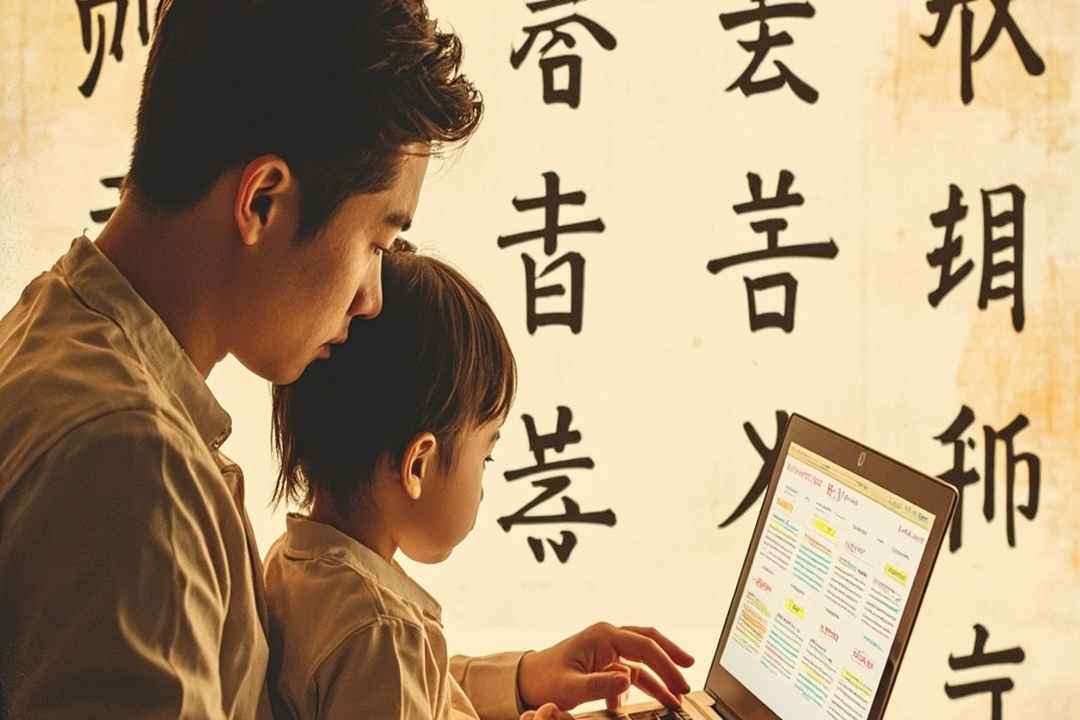
If you’re an overseas parent searching for a Chinese name for your child, a language learner wanting a name that feels authentic, or someone looking for a name for a personal project, you’ve likely faced the challenge of sifting through thousands of Chinese characters to find something that fits. Generic name generators often fall short here—they may suggest names with deep cultural meaning but ignore how they sound in English or how easy they are to write.
This is where a name maker ai comes in: a specialized AI tool built to bridge that gap, combining cultural context, pronunciation clarity, and practical checks tailored for non-Chinese speakers. For anyone new to Chinese naming, these tools simplify the process without sacrificing the depth of traditional naming wisdom.
Key takeaways for first-time users: prioritize tools that offer clear meaning breakdowns, pronunciation guides, and customizable filters, always verify suggestions for unintended connotations, and test how the name works in both languages before finalizing.
What Sets Name Maker Ai an AI Chinese Name Maker Apart from Generic Tools
Many people assume any name generator works for Chinese names, but that’s not the case. Generic tools are designed for broad audiences, so they often overlook critical details for users outside China.
An AI Chinese naming tool, however, is trained on data that includes both Chinese cultural naming traditions and the needs of global users. For example, a generic generator might suggest a name with a rare character that has a beautiful meaning, but it won’t note that the character’s pronunciation is nearly impossible for English speakers to master.
A specialized AI, on the other hand, will filter out such characters and prioritize those with tones and sounds that translate well to English. A common mistake beginners make is using a generic tool for Chinese names; experts recommend sticking to a name maker ai built specifically for this purpose to save time and avoid frustration.

Core Features to Look for in a Quality AI Chinese Name Maker
To get the best results from a name maker ai, you need to understand which features matter most. Not all tools are equal, so knowing what to look for will help you narrow down your options.
First, look for detailed meaning and cultural context. Name Maker Ai A good tool won’t just give you a translation of a character—it will explain its origin, common uses in names, and subtle connotations.
For example, if a suggestion includes the character 沐 (mù), the tool should tell you it originally meant “to bathe” and is often associated with purity and growth, a common wish for children. This level of detail helps you choose a name that aligns with your values, not just a random combination of characters.
For deeper insights into how meaning shapes Chinese names, you can reference our guide to understanding sound, meaning and form in Chinese names. Second, reliable pronunciation guides are non-negotiable.
Chinese names rely heavily on tone, which changes the meaning of a word entirely. A quality AI tool will show pinyin with accurate tone marks and may offer audio clips to help you practice.
It should also note common mispronunciations, like avoiding mixing up the third and fourth tones in characters like 好 (hǎo, good) vs. 浩 (hào, vast).
For users who don’t speak Chinese, this feature is essential to ensuring the name is pronounced correctly by others.
Third, practical naming checks are a key differentiator. Name Maker Ai The best AI tools will automatically screen suggestions for issues like unintended double meanings in Chinese, awkward English pronunciation, or overly complex characters.
For instance, if a combination sounds like a phrase in Chinese that means something unrelated, the tool will flag it, saving you from an embarrassing mistake. This is one of the most valuable features for non-native users, as it covers gaps in cultural knowledge that even experienced learners might miss.
Finally, customization options let you tailor results to your needs. Whether you want a name that’s gender-neutral, modern, traditional, or focused on a specific meaning (like “kindness” or “strength”), a good AI tool will let you input these preferences.
This cuts down on irrelevant suggestions and helps you find names that feel personal to your situation.
Step-by-Step Guide to Using a Name Maker Ai for Chinese Names
Using a name maker ai for Chinese names is straightforward, but following these steps will help you get the most useful suggestions.
- Define Your Naming Goal: First, clarify why you need the name. Are you naming a child, a pet, a brand, or something else?
- For a child, you might want a name that’s gentle but strong, while a brand name might need to be memorable and easy to market. Example: If you’re naming a child, input keywords like “kind” and “brave” to guide the AI.
- For more targeted advice on naming a child, explore our complete guide to choosing Chinese baby names.
- Adjust Filters to Match Your Needs: Most tools let you filter by gender (if applicable), Name Maker Ai pronunciation ease (e.g., “easy for English speakers”), style (modern vs. traditional), and even length (one character vs.
- two). For overseas users, selecting “English-friendly pronunciation” is a must to avoid names that are hard to say.
- Review Each Suggestion Carefully: Don’t just pick the first name that looks nice. For each option, check three key areas: meaning (does it align with your values?), pronunciation (is the pinyin clear and easy to learn?), and practicality (no awkward sounds or unintended meanings).
- For example, if the AI suggests 泽宇 (Zé Yǔ), confirm that the tones are correct (second and third) and that in English, it flows well without being mispronounced.
- Cross-Verify with External Resources: Even the best AI tools can miss nuanced cultural details. Once you have a shortlist, Name Maker Ai take a moment to check each name with a reliable Chinese dictionary or a native speaker if possible.
- This step ensures you don’t overlook any hidden connotations that might be problematic.
- Test the Name Aloud: Finally, say the name in both Chinese and English. Does it roll off the tongue?
- Would others be able to pronounce it correctly? A name that looks great on paper might feel awkward when spoken, so this test is critical.

Common Mistakes to Avoid When Using AI for Chinese Names
While a name maker ai simplifies the process, there are pitfalls to watch for.
One of the biggest mistakes is ignoring practical checks. Even a name with a beautiful meaning can be problematic if it’s hard to write, has an awkward sound in English, or carries an unintended negative connotation in Chinese.
For example, a combination like 死 (sǐ) and 亡 (wáng) would obviously be bad, but some subtler combinations might slip through. Experts advise that beginners should always prioritize these practical checks over just the meaning.
Another mistake is choosing overly rare characters. It’s tempting to pick a unique character to make the name stand out, Name Maker Ai but if it’s extremely rare (like 龘, which means “dragon” but is almost never used in names), it will cause frustration for your child as they grow up, having to spell or explain their name constantly.
The AI might suggest these rare characters, so be sure to filter for common, easy-to-write options.
Finally, don’t rely solely on the AI’s suggestions without inputting your own preferences. While AI is helpful, it’s not a replacement for your personal values.
If you have a specific character you love (from your own Chinese heritage, for example), make sure to include that in your filters. This ensures the name feels personal, not just a generic AI-generated result Name Maker Ai.
By using a name maker ai that’s tailored to non-Chinese speakers, focusing on practical checks, and taking the time to verify suggestions, you can find a Chinese name that’s meaningful, easy to use, and respectful of cultural traditions. This approach balances the convenience of AI with the care needed for a name that will last a lifetime.
What Random Name Generator Ai Means for Chinese Naming What Ai For Name Generator Means for Chinese Naming What Best Ai Name Generator Means for Chinese Naming Wikipedia
Frequently Asked Questions
What does the name name maker ai mean?
The meaning of name maker ai depends on the Chinese characters used. A good interpretation should explain each character, the combined meaning, and how the name sounds with the surname.
Is name maker ai a good Chinese baby name?
name maker ai can be a good name when the characters carry positive meaning, sound natural together, and fit the family surname and naming style.
How should parents evaluate a name like name maker ai?
Parents should check meaning, pronunciation, tone flow, writing difficulty, cultural impression, and whether the name feels natural in modern Chinese usage.
Does name maker ai have Five Elements meaning?
Five Elements interpretation depends on the exact characters, not only the pronunciation. Use it as one reference point rather than the only naming rule.
Can AI help create names similar to name maker ai?
AI can help create related name ideas and explain possible meanings, but the final shortlist should still be reviewed for cultural fit and natural sound.