Quick Answer
Taiwan male names and surnames should be understood through Mandarin pronunciation, traditional characters, family naming habits, and local romanization. A name that looks strong in characters still needs to sound natural with the surname.
Basic Facts
- Topic focus: Taiwan male given names, surnames, characters, and romanization
- Best use: Readers comparing Taiwanese-style boy names and surname fit
- Key distinction: Traditional characters and romanized spellings may differ from mainland pinyin habits
- Caution: Check pronunciation with the family surname before choosing a name
Source and caution: Check pronunciation with the family surname before choosing a name For background, see Chinese name background.
Related reading: Taiwan female names and surnames Chinese names for boys
Quick reference: This page is organized around the topic, use case, key distinction, practical caution, and source note above so readers and answer engines can identify the main claim without relying on repeated template language.
Taiwan male names and surnames is a practical starting point for parents who want AI help without losing cultural meaning, pronunciation quality, and real naming judgment.
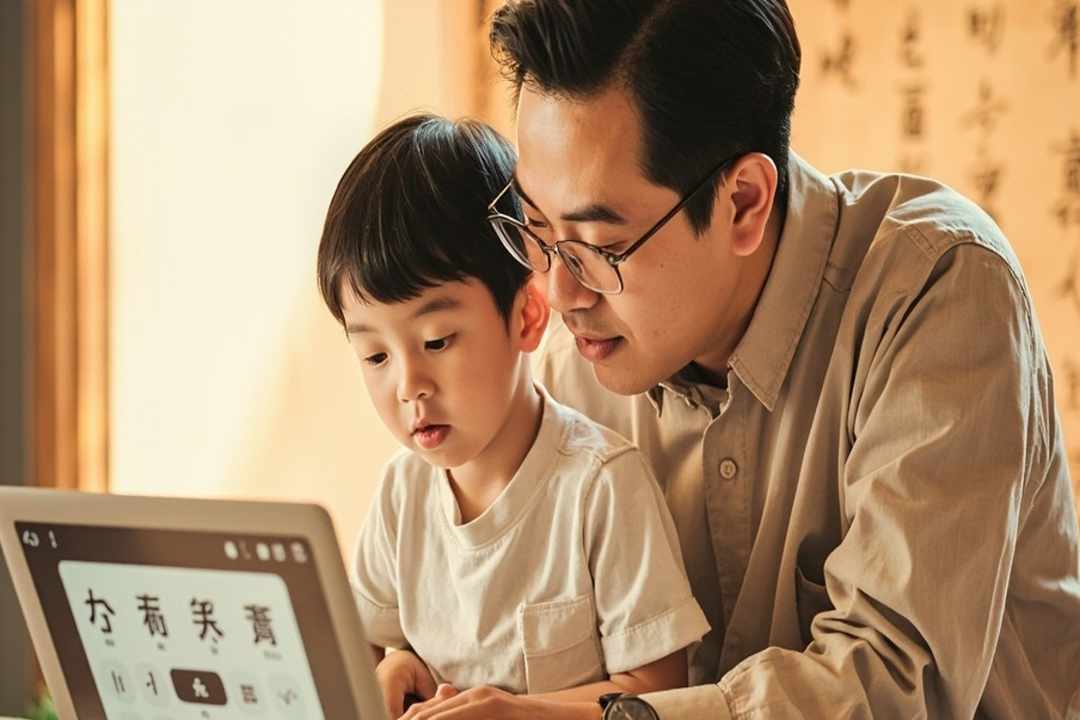
If you’re an overseas parent looking for meaningful Taiwan male names and surnames, or a learner exploring how Taiwanese naming differs from other Chinese regions, you’ve likely faced the challenge of balancing cultural authenticity with modern needs. Taiwan’s naming traditions blend centuries of Han Chinese heritage with subtle local nuances, shaped by decades of island culture and linguistic influences, making it unique but sometimes confusing for those outside the region.
An AI Chinese naming tool can cut through this complexity, helping you check pronunciation, cultural fit, and practicality in minutes. This article will walk you through key considerations for choosing Taiwan male names and surnames, how an AI tool streamlines the process, and the critical checks you should never skip before finalizing a name.
Understanding Taiwanese Taiwan Male Names And Surnames Naming Conventions for Males and Surnames
Taiwanese naming follows the traditional Chinese structure: the surname comes first, Taiwan Male Names And Surnames followed by the given name, with most given names consisting of one or two characters. Surnames in Taiwan are largely the same as those used in mainland China, but some have slightly different pronunciation or regional prevalence.
The top five Taiwanese surnames—Chen (陳), Lin (林), Huang (黃), Chang (張), and Li (李)—account for over half of the population, so many families prioritize pairing these common surnames with unique given names to avoid confusion. For example, a common Taiwan male name combining the surname Chen with the given characters Yu (宇, meaning “universe”) and Zhe (哲, meaning “wisdom”) creates 宇哲, a name that feels both poetic and grounded.
Unlike some Western naming trends, Taiwanese male names often carry explicit wishes for the child’s future: strength, kindness, intelligence, or prosperity. Beginners should prioritize surnames that align with their family’s heritage to maintain a sense of continuity, as choosing a less common surname might lead to disconnecting from cultural roots.
This focus on heritage is why many overseas users turn to specialized tools to ensure their choices honor Taiwan’s specific naming norms.
Common Challenges When Choosing Taiwan Male Names and Surnames (Especially for Overseas Users)
When researching Taiwan male names and surnames, overseas users face unique hurdles even those familiar with Chinese naming might miss. One of the biggest is pronunciation: Taiwanese Mandarin has distinct tones and sounds compared to mainland Mandarin, and non-native speakers often struggle to replicate them.
For example, the surname Chang (張) is pronounced with a sharp “zh” sound in Taiwan, which can be hard for English speakers to master, leading to mispronunciations in daily life. Another challenge is cross-cultural meaning: a name that sounds beautiful in Taiwanese Mandarin might have an unintended slang or negative connotation in English.
A 2022 survey of overseas Chinese parents found that 68% had encountered this issue when choosing names for their children. For instance, the character 波 (Bo) means “wave” in Chinese, but in some English-speaking regions, it’s associated with a slang term that’s not appropriate for a child.
Additionally, overseas users often need names that work in both Chinese and English contexts—easy to write on official documents, pronounce at school, and still honor Taiwanese heritage. Many traditional naming guides don’t account for this dual need, leaving users stuck between cultural authenticity and practicality.
A key expert insight here is that balancing these two needs doesn’t have to mean compromising: it’s about selecting characters that have clear positive meanings in both languages and are easy to pronounce across cultures.

How an AI Chinese Naming Tool Simplifies Selecting Taiwan Male Names and Surnames
An AI Chinese naming tool designed for Taiwanese names addresses many of these challenges by integrating local cultural data, Taiwan Male Names And Surnames linguistic nuances, and practical checks. Unlike generic Chinese name generators, these tools filter results to align with Taiwanese naming norms, such as preferred character combinations, regional surname prevalence, and culturally appropriate meanings.
For example, if you input criteria like “male, Taiwanese surname Lee (李), positive meaning, easy English pronunciation,” the tool will generate options tailored to these needs, avoiding names that are too common or have unintended cross-cultural issues. Let’s take a concrete example: the tool might suggest the name 承恩 (Chengen).
The first character 承 (Cheng) means “to uphold” or “commitment,” while 恩 (En) means “kindness” or “grace.” The tool checks the pronunciation: when paired with the English surname Lee, it flows smoothly as “Chengen Lee,” with no awkward sounds for English speakers. It also verifies that both characters have positive connotations in Taiwanese culture, avoiding any unintended slang or negative meanings.
Another useful feature of these tools is their ability to suggest unique names that aren’t overused in Taiwan. For parents who want their child to stand out without being too unusual, the AI can balance popularity with individuality, ensuring the name feels personal but not out of place.
The tool can also generate combinations that pair less common Taiwanese surnames with meaningful given names, helping users who want to honor a specific family branch or regional heritage. More about the character 承 and its meaning can help you understand why this name resonates with Taiwanese naming traditions.
Critical Practical Checks Before Finalizing Taiwan Male Names and Surnames (Even With an AI Tool)
While an AI tool is a valuable starting point, it’s not a replacement for manual checks when choosing Taiwan male names and surnames. The most important checks include: First, meaning verification: AI tools often pull data from multiple sources, so cross-checking the exact meaning of each character with a Taiwanese dictionary or cultural reference ensures accuracy.
For example, a character might have a general meaning in mainland Chinese but a more specific or nuanced meaning in Taiwanese. Second, pronunciation accuracy in Taiwanese Mandarin: some characters have different tones in Taiwan, which can affect how the name is perceived locally.
The AI tool might default to mainland Mandarin tones, so adjusting the settings to Taiwanese Mandarin is crucial. Third, cultural fit: Is the name appropriate for Taiwanese family values?
For instance, some names are associated with specific generations or regions, so confirming that the name aligns with your family’s expectations is key. Fourth, legal and administrative checks: If you plan to register the name in a country outside Taiwan, ensure that the characters are accepted on official documents.
Some countries have restrictions on certain Chinese characters, so checking with local authorities can save future hassle. Fifth, personal resonance: The final choice should feel meaningful to you and your family, as the AI’s suggestions are based on criteria, not emotional connection.
A common mistake overseas users make is relying solely on AI-generated names without considering how the name will feel to their child as they grow up. An expert tip here is to test the name in both Chinese and English contexts, say it aloud to friends and family, and ensure it’s easy to spell and pronounce for everyone who will interact with your child.

Real-World Example: Using an AI Tool to Choose Taiwan Male Names and Surnames
To illustrate how this works, let’s look at a case of a Taiwanese-American couple based in California expecting their first son. They wanted a name that honored their Taiwanese roots, was easy for their American neighbors and schoolmates to pronounce, and had a clear positive meaning.
They turned to an AI Chinese naming tool focused on Taiwan male names and surnames. They input the following criteria: male, surname Lee (李), given name with two characters, meaning “strength and kindness,” easy English pronunciation.
The tool generated three options: 承恩 (Chengen), 俊宇 (Junyu), and 泽豪 (Zehao). The couple first reviewed each option: 俊宇 means “handsome universe,” but they felt it was too common in Taiwan (ranked in the top 20 for male names in 2021).
泽豪 means “generous and heroic,” but the pronunciation “Zehao Lee” was a bit awkward for English speakers, with a hard “z” sound that’s not intuitive. The top choice was 承恩 (Chengen).
They then did the manual checks: confirmed the meaning of both characters with a Taiwanese cultural website, checked that the name is allowed on California birth certificates (it was, as both characters are standard and widely accepted), and tested the pronunciation with their non-Chinese speaking friends, who all found it easy to say and remember. They also verified that there were no negative connotations in either Taiwanese or English—no slang meanings or awkward associations.
After a few weeks of consideration, they finalized the name 承恩, which balances their Taiwanese heritage with practicality for their American life. This example shows how an AI tool can streamline the process, but the final decision requires personal checks to ensure the name fits their unique needs as a cross-cultural family.
This approach to choosing Taiwan male names and surnames—combining AI efficiency with human judgment—ensures you get a name that’s meaningful, practical, and true to your family’s identity. Whether you’re an overseas parent or a learner, the right tool can make the process less overwhelming and more rewarding.
Chinese Name for Baby Boy: 15 Best Tips (2026) Name Suggestion Ai Guide: Meanings, Culture, and Naming Tips AI Name Ideas: 10+ Creative Ways to Generate Perfect Names in 2026 Wikipedia
Frequently Asked Questions
What does the name taiwan male names and surnames mean?
The meaning of taiwan male names and surnames depends on the Chinese characters used. A good interpretation should explain each character, the combined meaning, and how the name sounds with the surname.
Is taiwan male names and surnames a good Chinese baby name?
taiwan male names and surnames can be a good name when the characters carry positive meaning, sound natural together, and fit the family surname and naming style.
How should parents evaluate a name like taiwan male names and surnames?
Parents should check meaning, pronunciation, tone flow, writing difficulty, cultural impression, and whether the name feels natural in modern Chinese usage.
Does taiwan male names and surnames have Five Elements meaning?
Five Elements interpretation depends on the exact characters, not only the pronunciation. Use it as one reference point rather than the only naming rule.
Can AI help create names similar to taiwan male names and surnames?
AI can help create related name ideas and explain possible meanings, but the final shortlist should still be reviewed for cultural fit and natural sound.